Bagged vs Bagless Vacuums: Cost & Convenience Breakdown
Bagged vacuums cost $12–$70 annually in replacement bags and typically last 8–12 years. Bagless vacuums skip bag purchases but need $20–$60 in annual filter replacements and usually last 5–8 years. Bagged models like the Miele Complete C3 canister and the Numatic Henry HVR160 cylinder offer cleaner, sealed disposal. Bagless models are easier to empty day-to-day.
Vacuum type is one of those decisions that looks simple until you're standing in an aisle second-guessing yourself. The real frustration isn't the upfront price. It's realizing six months later that you're spending more on filters than you ever would have on bags, or that emptying your bagless bin indoors sends a visible dust cloud across the room.
Bagged models like the Miele C3, a premium sealed-system canister, and the budget-friendly Bissell Zing bagged canister around $60 keep all that debris locked away until you toss the bag. Bagless options like the Dyson cordless flagship (£599–£699 [$810–$945] in the UK) and the more affordable Vax Blade 4 cordless stick vacuum around £199 ($270) give you the convenience of no ongoing bag purchases, but they trade that for filter maintenance and a messier emptying process. Reviewed.com's lab testing found that emptying bagless models almost always produces a dust plume.
Bagged vacuums holding 3.5–6 liters versus bagless bins at 0.7–2 liters sounds like a minor spec difference, but in a three-bedroom house it means emptying your canister once a month instead of after every session. That gap matters more than most buyers expect.
Households with allergy sufferers, pet owners, or anyone vacuuming multiple rooms won't find an obvious answer here. The "cheaper" option depends entirely on how long you keep the machine. By the end, you'll know exactly which type saves you money over five years and which one fits how you actually clean.
What's the real difference between bagged and bagless vacuums?
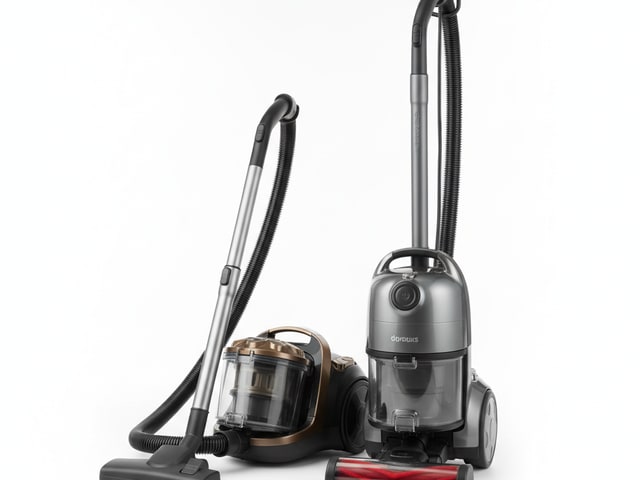
Bagged and bagless vacuums collect the same dirt, but they store it completely differently, and that one design choice ripples through every aspect of owning the machine.
Inside a bagged vacuum, debris gets trapped in a sealed disposable bag that sits inside the machine's body. The bag does double duty, holding the dirt and acting as a filter layer so fine dust particles get caught before air exits the motor. When the bag is full, you pull it out and drop it straight in the bin without ever touching what's inside. Miele builds its entire sealed-system design around this principle. The bag, the filters, and the casing all work together to keep dust contained from the moment it enters to the moment you throw it away.
Bagless vacuums use a clear plastic dustbin instead. Most modern bagless designs rely on cyclonic separation, spinning incoming air fast enough that heavier debris flings outward and drops into the bin while cleaner air passes through a reusable filter. You can see exactly how full the bin is, which is useful. Emptying it means popping open the bin over a trash can, and that process nearly always produces a visible dust plume no matter how carefully you do it.
Disposal method drives everything else downstream. Hygiene, running costs, maintenance effort, filtration quality, and indoor air quality all trace back to whether your vacuum seals debris away permanently or asks you to handle it every time you empty. A HEPA filter in a bagless vacuum can capture fine particles during vacuuming, but if emptying the bin releases a cloud of that same dust back into the room, the filtration advantage shrinks considerably.
Suction strength isn't really a bagged-versus-bagless question anymore. EU wattage regulations cap most vacuum motors at roughly 890W regardless of design. If you want to understand what the actual suction specs like CFM and air watts actually mean, that's a separate question from the bagged-versus-bagless debate entirely.
Upfront price: how much do bagged and bagless vacuums cost?
Bagless vacuums often cost more at the register than bagged models, though the gap varies considerably by tier, and at some price points they're nearly level or even flip the other way.
Tier | Bagged example | Bagged price | Bagless example | Bagless price |
|---|---|---|---|---|
Budget | Bissell Zing canister | ~$60 | Eureka entry-level upright | ~$80 |
Mid-range | Bosch Series 4 BGL38BA3GB ProEco cylinder (850W, 3.5L bag) | £149–£199 (~$200–$270) | Vax Blade 4 cordless stick | £199 ($270) |
Premium | Miele Complete C3 canister range | Up to ~$1,600 | Dyson flagship cordless | £599–£699 (~$810–$945) / $1,000+ with accessories |
Industry average range | Bagged (general) | $150–$300 | Bagless (general) | $200–$600+ |
At the budget end, the Bissell Zing comes in around $60, while a comparable entry-level Eureka bagless upright starts closer to $80, per Reviewed.com's lab pricing. That $20 difference is easy to absorb. The mid-range picture is more interesting. The Bosch Series 4 BGL38BA3GB ProEco, a corded bagged cylinder with an 850W motor and 3.5-liter bag, sits at £149–£199 ($200–$270) in the UK. The Vax Blade 4 lands at roughly the same £199 ($270) price point, so at this tier the two types are nearly level. The form factor is what you're trading, a traditional corded cylinder against a lightweight cordless stick.
Premium models are where things get less predictable. The Miele C3 range, built for allergy-conscious households, reaches around $1,600 at the top end. Dyson's flagship cordless bagless models run £599–£699 (~$810–$945) in the UK and climb well past $1,000 once you add the full accessory kit, meaning at this tier the bagged option is actually the pricier one. If you want to browse current Dyson vacuum prices and deals, that guide covers the full lineup.
Bagless dominates the cordless stick category almost entirely. If a compact cordless is what you're after, you're almost certainly choosing bagless by default, and the upfront price reflects that. Corded bagged canisters and uprights tend to cost less at purchase, giving them a head start on total cost of ownership before you've bought a single bag or filter.
Across the board, bagless vacuums often carry a higher sticker price at the same performance level, with the industry-wide range running $200–$600+ versus $150–$300 for bagged equivalents. But as the premium tier shows, that pattern isn't universal. It depends heavily on which specific models you're comparing.
Annual running costs: bags, filters, and hidden expenses
Bagged vacuums cost $12–$70 each year in bags for a typical household, while bagless models spend roughly the same amount on filter replacements. Cordless bagless machines add a battery replacement bill that corded bagged models never face.
Cost category | Bagged vacuum | Bagless vacuum |
|---|---|---|
Replacement bags / filters (annual) | $12–$70/year (4–12 bags at $3–$6 each). ~$20/year for average use (Reviewed.com) | $20–$60/year (HEPA and pre/post-motor filters every 6–12 months) |
Battery replacement (cordless models) | Not applicable (corded) | £40–£80 (~$54–$110) every 3–5 years |
Total annual operating cost estimate | $18–$52/year (Henry/Numatic estimate, manufacturer-affiliated) | $190–$360 over the machine's life for high-filtration bagless (Henry/Numatic estimate, manufacturer-affiliated) |
HEPA vs non-HEPA running cost difference | Bags available in HEPA-rated versions at higher per-unit cost | ~30% more per year than bagged with HEPA systems. ~10% less per year without HEPA (Reddit r/VacuumCleaners analysis) |
Annual consumable costs look almost identical on paper for light users. The type of filtration you need and whether you choose a cordless model can push bagless running costs noticeably higher.
What you actually pay for bags
Bags run $3–$6 each, and how many you go through depends almost entirely on how often and how hard you vacuum. A light user in a small flat might get through four bags a year, landing at around $12–$24. A household with pets, kids, and carpeted rooms throughout can burn through 12 bags, pushing the annual spend toward $70. The Reviewed lab team's estimate of roughly $20 per year for average use is a reasonable middle ground for a two-to-three bedroom home without heavy soiling.
Bag costs vary by brand, and that catches buyers off guard. Proprietary bags for premium machines like the Miele C3 cost more per unit than generic-fit bags for budget canisters. Third-party alternatives exist and can cut costs, though quality varies. The r/VacuumCleaners community on Reddit has discussed this at length, with many users reporting comparable performance from non-OEM bags at a much lower price.
What you actually pay for filters
Bagless vacuums typically need their filters replaced on a rotating schedule. Pre-motor filters, post-motor filters, and in many cases HEPA post-motor filters all need periodic swaps. HEPA filter replacements run $20–$50 every six to twelve months, and the total annual filter spend lands in the $20–$60 range, nearly identical to a moderate bag budget. To understand exactly what separates a genuine HEPA filter from a HEPA-type filter before buying, the HEPA Filter Explained guide breaks down what the certification actually means and whether you need it.
Reddit's vacuum enthusiast community adds useful nuance here. With a full HEPA filter system, bagless machines cost around 30% extra annually to run compared to bagged equivalents. Drop to a non-HEPA bagless setup and the math flips slightly, coming in about 10% cheaper per year than bagged. So the allergy-friendly bagless option, the one with proper sealed HEPA filtering, is actually the more expensive one to maintain annually.
The hidden cost: battery replacement
Cordless bagless stick vacuums carry a running cost that never appears on the shelf tag. Batteries degrade over time and typically need replacing every three to five years at £40–£80 (~$54–$110) per replacement. Spread across five years, that adds a modest annual bump to the running cost, money a corded bagged canister owner never spends.
Numatic, the manufacturer behind the Henry range of bagged corded canisters, puts the total operating cost at $18–$52 per year for its machines versus $190–$360 over the full life of a high-filtration bagless alternative. That gap is wide enough to raise an eyebrow, and this data comes from a manufacturer with a clear stake in the outcome. The Reddit community's independent analysis lands on a much smaller difference, suggesting the real gap sits somewhere between the two estimates depending on which specific models and consumables you compare.
5-year and 10-year cost of ownership compared
Bagged vacuums typically cost less over a decade than bagless models, even after years of bag purchases, because they last longer and rarely need a full replacement unit within that window. The lifespan gap is the number that changes everything. Industry estimates put bagged machines at 8–12 years versus 5–8 years for bagless. Someone buying bagless on a 10-year horizon may well need to purchase a second machine before a bagged owner replaces theirs once.
Cost category | Bagged vacuum (5 years) | Bagged vacuum (10 years) | Bagless vacuum (5 years) | Bagless vacuum (10 years)* |
|---|---|---|---|---|
Purchase price (mid-range example) | $150–$300 | $150–$300 (same unit) | $200–$600 | $400–$1,200 (likely 2 units) |
Annual consumables (bags or filters) | $12–$70/year → $60–$350 over 5 years | $120–$700 over 10 years | $20–$60/year → $100–$300 over 5 years | $200–$600 over 10 years |
Battery replacement (cordless bagless only) | Not applicable | Not applicable | £40–£80 (~$54–$110) once (years 3–5) | £40–£80 (~$54–$110) once per unit |
Estimated total (mid-range, average use) | ~$210–$650 | ~$270–$1,000 | ~$350–$1,000 | ~$700–$2,000 |
Certified Vacuum 15-year total cost estimate | $900–$2,000+ (bagged portable) | Higher when second unit factored in |
*Bagless 10-year totals assume one replacement unit purchased around year 6–8, based on the 5–8 year average lifespan from industry data.
Why the lifespan gap matters more than annual bag costs
Bag costs look like the obvious ongoing expense, but they rarely decide the long-term winner. Spread across a decade, even a household spending $70 per year on bags pays $700 total, a number that stays manageable if the machine itself never needs replacing. The bagless scenario looks cheaper on a per-year basis until you factor in buying a second unit. At $200–$600 for a mid-range replacement, that single purchase can erase years of filter savings in one transaction.
European data from HiFi International puts lifetime bag costs at €240–€480 ($275–$550) across the full appliance lifespan. That range sounds significant until you compare it against cumulative filter costs for a bagless machine running the same period, roughly €0–€30 ($0–$35) per year in filters, but potentially two purchase prices instead of one. The math shifts depending on which end of the price spectrum you shop, but the same outcome shows up across budget and mid-range tiers.
Where premium bagged machines change the calculation
At the premium end, the picture gets more complicated. A Miele sealed-system canister costs around $1,600 upfront, which is a steep starting point. Over 10–12 years with average bag costs, the total spend can reach $1,900–$2,300. A premium Dyson cordless bagless flagship at £599–£699 (~$810–$945) looks cheaper initially, but add filters, a battery replacement, and a likely second unit purchase within the decade, and the gap narrows or disappears entirely.
Certified Vacuum's 15-year cost analysis puts bagged portable vacuums at $900–$2,000+ over that period, with bagless portables running higher once a replacement unit is factored in. For anyone planning to keep a machine long-term, understanding what vacuum warranties typically cover matters here too. A longer warranty on a bagged machine can offset repair costs that would otherwise push the total higher.
The scenario that favors bagless
Bagless machines do win on total cost in one specific situation. A light user who replaces their vacuum every five years by choice, buys a non-HEPA model, and uses third-party filters can keep costs low. In that scenario, filter costs run toward the low end of the $20–$60 annual range, no battery replacement falls within the window, and the second-unit cost never arrives. For everyone else, heavier users, allergy households running fine-particle filtration, or anyone who keeps machines until they stop working, corded bagged vacuums tend to cost less across a full decade despite the ongoing bag spend.
Convenience: emptying, maintenance, and day-to-day hassle
Bagged vacuums win on day-to-day convenience for most households, mainly because their larger capacity means you empty them far less often and the process itself takes about five seconds with no dust exposure. Bagless models trade that ease for the freedom of no bag purchases, but they ask more of you in return.
How often you actually have to empty each type
Capacity is the number that shapes your cleaning routine more than any spec on the box. Bagged vacuums hold 3.5–6 liters of debris. Bagless bins top out at 0.7–2 liters. In a three-bedroom house with carpets and a dog, that difference means emptying a bagless bin after almost every session versus changing a bag once a month or less.
Small flats with hard floors narrow the gap. A 0.7-liter bin might last two or three passes before it needs emptying, which is manageable if you vacuum in short bursts. Scale up to a larger home and the bin-emptying interruptions add up fast, especially mid-session when you're halfway through the stairs.
The dust plume problem
Bagged vacuum disposal is a sealed process. Pull the bag, drop it in the bin, done. Nothing escapes. Clearing out a bagless bin is a different experience entirely. Reviewed's testers found that bagless models almost always produce a visible dust plume when the bin is opened over a trash can, regardless of how carefully you do it.
RTINGS, an independent product testing organization, states that emptying a bagged vacuum is always cleaner than emptying a bagless vacuum without a self-emptying dock. For anyone with allergies or asthma, that moment of dust release matters. Even for households without sensitivities, doing it indoors in a small apartment with no easy outdoor option means that dust goes somewhere, usually back into the room you just cleaned.
Filter maintenance: the step bagless owners often underestimate
Bagless vacuums need their filters washed on a regular schedule depending on use. That sounds simple until you factor in drying time. Filters need to be completely dry before going back in, which usually means leaving them out overnight. Skip that step or rush it, and the machine starts to smell and loses pickup ability. Dirty filters are also behind the up-to-40% suction drop that consumer lab testing has documented in some bagless models.
Bagged vacuums do have filters too, but they need replacing rather than washing, and the interval is much longer, typically every year or two. There's no drying cycle, no forgetting to reinstall them, and no odor risk from a damp filter. For a practical guide on keeping either type running well, the vacuum maintenance tips to extend your machine's life covers the full schedule for both formats.
Self-emptying docks: a hybrid that costs more
Newer cordless and robot vacuums with self-emptying docks offer a middle path. The vacuum itself stays bagless for daily use, but the dock automatically transfers debris into a sealed bag inside the base station. You get the grab-and-go convenience of a bagless stick without the dust plume at emptying time.
Price is the obvious downside. Self-emptying docks add considerably to the purchase cost, and the dock bags are an ongoing expense on top of that. For households that want bagless convenience but can't tolerate the dust exposure, it's a reasonable solution. For everyone else, it's paying a premium to solve a problem that a bagged vacuum avoids by design.
Which is better for allergies and pet hair?
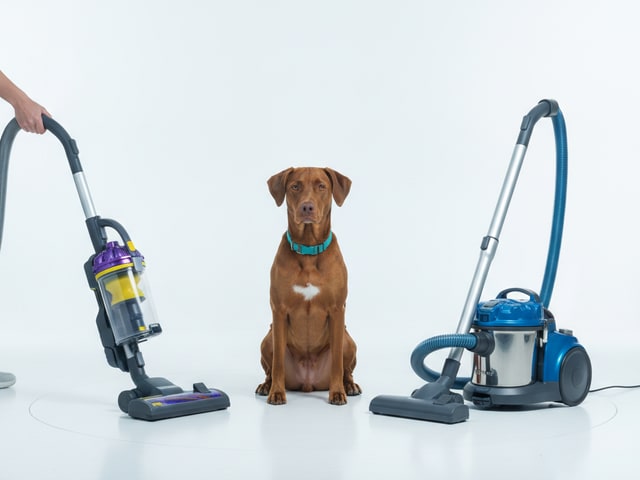
Bagged vacuums with HEPA-rated bags are the safer choice for people with allergies, and they handle pet hair more hygienically than most bagless alternatives. The reason comes down to what happens after the debris is collected, not just during vacuuming.
Why sealed bags matter for allergy households
RTINGS confirms that bagged vacuums have the most advantages for indoor air quality, and a HEPA-rated bagged machine is the best assurance you can get. A sealed bag traps fine particles, dust mite debris, and pet dander inside a contained unit. When you remove it, nothing escapes. Emptying a bagless bin, as covered in the previous section, almost always releases a dust plume, which means allergens you just captured go straight back into the air you breathe.
Rainbow Restoration, a professional cleaning service, reaches the same conclusion. Bagged vacuums offer superior filtration and are the natural fit for anyone managing allergies or asthma. Multiple independent guides echo this. The sealed-system design of premium bagged machines like the Miele C3 takes this further, combining HEPA bags with a sealed casing so air can only exit through the filtration path, not through gaps around the bin or lid.
The suction problem bagless owners often miss
Filtration quality during vacuuming matters too, and this is where bagless machines have a real vulnerability. Consumer lab data cited by Alibaba's product insights team found that some bagless models lose up to 40% of their suction when filters are dirty. A clogged filter means the machine is pulling less air through the floor nozzle, which directly reduces how much fine dust and pet dander it actually captures. For an allergy household, that's not a minor inconvenience. It means the machine is doing less of the job you bought it for.
Bagged vacuums maintain more consistent airflow as they fill, because the bag acts as a filter layer and airflow stays relatively stable until the bag is nearly full. You get more predictable performance between maintenance intervals, which matters when you're relying on the machine to keep allergen levels down.
Pet hair: where bagless gets messy
Pet owners who use bagless vacuums regularly report a specific frustration. Clumps of hair stick to the bin walls and the cyclone separator, and getting them out means reaching into the bin by hand. It's unpleasant, and it defeats the purpose of a machine that's supposed to keep you away from the mess. Bagged vacuums contain all of that hair inside the sealed bag from collection to disposal.
For households with cats or dogs, the type of hair also affects which features matter most beyond the bagged-versus-bagless question. The Cat vs Dog Hair guide breaks down which vacuum features actually make a difference depending on your pet.
If you're set on bagless for pet hair
Bagless machines aren't a complete write-off for pet owners, but they need the right spec sheet. Look for a model with a HEPA post-motor filter, not just a standard foam filter, to capture fine dander before air exits the machine. A self-emptying dock, as discussed earlier, reduces the dust exposure problem at emptying time.
Outdoor bin emptying whenever possible also helps. It doesn't eliminate the dust plume, but it keeps allergens out of your living space. For a shortlist of bagless options that handle pet dander without breaking the budget, the HEPA Filters for Pet Allergies guide covers five models worth considering.
For most allergy households, though, a bagged machine with a HEPA-rated bag is the straightforward answer. It captures more reliably, disposes more cleanly, and doesn't ask you to handle the debris at any point in the process.
Environmental impact: disposable bags vs reusable bins
Neither bagged nor bagless vacuums are clearly the greener choice. The answer depends on how long you keep the machine and what you replace when it wears out.
Bagged vacuums generate a steady stream of disposable waste. A typical household goes through 4–12 bags per year, each one heading to landfill after a single use. That adds up over a decade of ownership, and it's the reason environmentally conscious buyers often default to bagless without looking much further.
Bagless vacuums do produce less solid waste day-to-day. No bags means no weekly trip to the bin with a used paper sack. But the environmental ledger isn't as clean as it looks. Filters need replacing every six to twelve months, and most end up in landfill. A bagless machine running a full HEPA filter system has pre-motor and post-motor filters that all need periodic replacement. Over five years, that's a meaningful pile of components.
Product lifespan is the bigger variable. Bagged vacuums last 8–12 years on average, while bagless machines typically run 5–8 years. Manufacturing a vacuum cleaner consumes raw materials, energy, and packaging regardless of type. A bagless buyer who replaces their machine once within a decade has consumed two full units' worth of materials, while a bagged owner running the same machine for ten years has consumed one, plus their bags. Whether the bag waste outweighs the second-unit manufacturing impact depends on the specific models involved, but the durability gap is real and rarely factors into the "bagless is greener" assumption.
Third-party consumables shift the calculation slightly for both types. Aftermarket bags often use less packaging than OEM multipacks. Third-party filters for bagless machines follow a similar pattern. Neither option eliminates waste, but buying non-OEM consumables in bulk reduces packaging and shipping impact compared to buying small quantities of branded replacements throughout the year.
How to decide: bagged or bagless for your household
Budget priority, allergy or pet needs, living space size, and the vacuum format you actually want to use are the four factors that settle this decision for most households. Work through each one and the right answer usually becomes obvious.
Budget priority, upfront cost vs long-term spend. Bagless vacuums cost more at the register across almost every tier, but their annual filter costs land close to what you'd spend on bags. The real gap opens over a decade, where bagged machines last 8–12 years versus 5–8 for bagless, meaning someone buying bagless often purchases a second unit before a bagged owner replaces theirs once. Bagged is the stronger choice when keeping total lifetime spend low matters more than avoiding a bag run. Bagless works when you'd rather pay more upfront and skip the bag-buying habit entirely, just budget for filters and, on cordless models, an eventual battery replacement.
Allergy or asthma concerns, or a home with pets. A bagged vacuum with a HEPA-rated bag is the safer bet for air quality, both during vacuuming and at disposal. Sealed bags contain debris from the moment it enters the machine to disposal. Emptying a bagless bin releases a dust plume almost every time. Pet owners also deal with hair clinging to bagless bin walls, which means reaching in by hand to clear it. The HEPA Filters for Pet Allergies guide covers five affordable options worth considering when allergies or pet dander are a real concern in your home.
Living space size and how you clean. Larger homes with multiple carpeted rooms benefit from bagged capacity. A 3.5–6 liter bag lets you vacuum the whole house without stopping to empty mid-session. Bagless bins at 0.7–2 liters fill fast in a three-bedroom home with pets or heavy foot traffic. A small flat with hard floors where you do quick daily passes makes a bagless stick's smaller bin manageable, since you empty it often but each session is short. The dust plume problem also weighs more heavily in apartments, where emptying indoors is often the only option.
Vacuum format, cordless stick vs canister or upright. This one often decides the bagged-versus-bagless question before you even get to the others. Bagged options in cordless stick form are extremely rare. A slim cordless stick for quick passes between rooms or carrying up stairs almost certainly means choosing bagless by default. Corded canisters and uprights are where bagged machines dominate, and they tend to hold more capacity and last longer. Before committing to a cordless model, it's worth reading about how battery life and suction compare between cordless and corded stick vacuums, since the runtime limitations of cordless models affect how practical a small bagless bin actually is in daily use.
Reducing ongoing costs whichever type you choose. Third-party bags and filters narrow the annual cost gap between the two types more than most buyers expect. Non-OEM consumables often perform comparably to branded versions at a significantly lower price. For bagless machines, washing filters on schedule and letting them dry fully overnight prevents the suction loss that makes maintenance feel like a chore. For bagged machines, replacing bags before they're completely full keeps airflow consistent. Stocking up on consumables while your model is current also protects you against the risk of a discontinued product leaving you scrambling for compatible bags or filters, one of the red flags worth checking before you buy any vacuum.
Tips to cut costs whichever type you choose
Consumable and maintenance habits can cut your annual running costs by a meaningful amount, whether you own a bagged or bagless machine.
Buy third-party bags or filters instead of OEM. Branded consumables carry a significant markup, and the r/VacuumCleaners community has documented repeatedly that non-OEM alternatives often perform comparably at a fraction of the price. Third-party bags for popular bagged canisters and aftermarket filters for bagless models are widely available. Check compatibility carefully before ordering, but don't assume the brand-name version is the only one worth buying.
Replace bags before they're completely full. A bag that's stuffed to capacity restricts airflow through the motor. Swapping the bag at a comfortable margin before it's packed tight keeps suction consistent. The cost of one extra bag per year is a small price for better performance.
Wash and fully dry bagless filters on schedule. Skipping filter maintenance on a bagless vacuum is one of the most expensive mistakes you can make with it. Consumer lab data found that neglected filters can cause up to a 40% drop in suction, meaning the machine captures less debris per session and you vacuum more often to compensate. Wash filters on the manufacturer's recommended schedule, and let them dry overnight before reinstalling. A damp filter causes odor and performance loss that no amount of extra vacuuming fixes.
Buy consumables in bulk while your model is current. Bag and filter availability is tied to whether your vacuum is still in production. Once a model is discontinued, proprietary bags can become scarce or jump in price. Stocking up while your machine is current protects you from emergency purchases at inflated prices. For bagged vacuums especially, check whether a universal-fit bag works in your machine as a backup option before your specific size disappears from shelves.
Track your filter and bag replacement intervals. Most people replace consumables either too late (after performance has already dropped) or too early out of anxiety. A simple note on your phone with the last replacement date removes the guesswork. For bagless machines, this also prevents the filter-washing step from being forgotten entirely, which is the single most common cause of premature suction loss.
For a full maintenance schedule covering both bagged and bagless formats, including motor checks, roller bar cleaning, and seal inspections, the Vacuum Maintenance 101 guide walks through everything that keeps a machine running past its average lifespan.
Frequently asked questions
Do bagless vacuums really save money compared to bagged?
Bagless vacuums skip bag costs, but HEPA filter replacements typically run $20–$50 every six to twelve months, which often matches or exceeds what you'd spend on bags annually. A Reddit r/VacuumCleaners cost analysis found that bagless machines with HEPA systems cost roughly 30% more per year to run than bagged equivalents. The savings are real only if you choose a non-HEPA bagless model, and even then the gap is narrow.
How often do you need to change vacuum bags vs empty a bagless bin?
Bagged vacuums typically need a new bag every one to three months depending on how much you vacuum, while bagless bins often need emptying after every one or two uses because their dust capacity runs just 0.7–2 litres compared to 3.5–6 litres for most bags. That means if you're cleaning a larger home or dealing with pet hair, you could be emptying a bagless bin several times a week. Bagged models let you go much longer between interruptions.
Is a bagged or bagless vacuum better for allergy sufferers?
Bagged vacuums with HEPA-certified bags are the safer choice for allergy sufferers because the sealed bag contains dust during both vacuuming and disposal. RTINGS notes that emptying a bagged vacuum is always cleaner than emptying a bagless bin without a self-emptying dock, since bagless bins release a visible dust plume when opened. A model with a self-emptying dock partially closes that gap if you're committed to bagless.
Which lasts longer, a bagged or bagless vacuum?
Industry estimates put bagged vacuum lifespans at 8–12 years versus 5–8 years for bagless models. The leading reason is motor protection. The bag itself acts as a pre-filter, keeping fine dust away from the motor. Bagless motors are more exposed to fine particulates over time, which accelerates wear.
Are bagless vacuums messier to empty?
Yes, and lab reviewers at Reviewed.com confirmed it. Emptying a bagless bin almost always produces a dust plume, even when you're careful. Bagged vacuums avoid this entirely because the debris stays sealed inside the bag until it hits the trash. Emptying your bin indoors or in a small apartment means that cloud of fine dust lands right back on your floors and furniture.
Can I use third-party bags and filters to reduce costs?
Third-party consumables can cut your annual running costs noticeably, and generic bags for popular models like Miele are widely available at a fraction of OEM prices. The trade-off is that off-brand bags sometimes have thinner material or looser seals, which can reduce filtration quality. For allergy households, sticking to OEM or certified-equivalent bags is worth the extra few dollars per pack.
Do bagless vacuums lose suction faster than bagged ones?
Consumer testing data cited by Alibaba's product insights team found that some bagless models lose up to 40% of suction when filters are clogged. Bagged vacuums maintain more stable airflow because the bag itself filters as it fills, and performance only drops noticeably when the bag is nearly full. Staying on top of filter cleaning in a bagless model is the main way to prevent that drop-off.
What happens if my vacuum model is discontinued and bags are unavailable?
Bag availability is a real long-term risk with bagged vacuums, especially for older or niche models. Sticking with major brands like Miele, which have sold the same bag formats for decades, dramatically reduces that risk. Check whether a lesser-known bagged model's bag type is shared across multiple models or sold by third-party suppliers before you commit.
Do self-emptying docks solve the bagless dust cloud problem?
Self-emptying docks go a long way toward fixing the dust exposure issue because the bin empties into a sealed bag inside the base rather than into an open trash can. You still buy bags for the dock, which partially offsets the "no consumables" appeal of going bagless in the first place. For households where hygiene matters most, this hybrid setup is a reasonable middle ground, though it adds significant upfront cost.