Robot Vacuums for Pet Hair Under $200: Do They Actually Work?
Robot vacuums under $200 can handle daily pet hair on hard floors and low-pile carpet, but they struggle with deep-embedded fur and require frequent brush cleaning.
You're tired of sweeping up tumbleweeds of pet hair every single day, and you're wondering if a cheap robot vacuum can actually make a dent in the mess. The good news is that several budget models help with daily fur cleanup. The iRobot Roomba 692 picks up surface hair reliably when it drops to around $170-180 during major sales, while the ILIFE V3s Pro uses a tangle-free suction design that won't wrap your Golden Retriever's fur around a brush roll.
The key difference between budget and premium robots isn't suction power but brush design and carpet agitation. Most cheap models excel on hardwood and tile where pet hair sits on the surface, but they can't dig deep into carpet fibers like a traditional vacuum. Think of them as daily maintenance tools, not deep-cleaning replacements.
If you have multiple shedding pets or thick carpets throughout your home, you'll see which design features actually matter and which marketing claims are just fluff. You'll know exactly which robot can handle your specific pet hair situation without breaking your budget.
Do budget robot vacuums actually pick up pet hair?
Some budget robot vacuums handle daily pet hair on hard floors well, but their carpet performance often falls short on deep fur tests. You'll get reliable surface cleaning for daily fur tumbleweeds, but deep carpet cleaning requires a different approach. Hard floors are where these budget machines shine. The ILIFE V3s Pro uses a tangle-free suction port that captures surface hair without wrapping it around brush rolls, handling surface hair well on hardwood surfaces, while the eufy RoboVac 11S has strong suction that helps pull fur from tile and laminate. These models can reliably handle surface hair on hard surfaces. Carpet cleaning reveals the limitations. Many affordable robot vacuums struggle with hair worked into carpet fibers, having difficulty agitating carpet fibers deeply enough to extract fur that's worked its way down. The MOVA S10 stands out as an exception, performing better on carpet than most budget alternatives, but it usually runs closer to $250-300. Hair wrapping becomes your biggest maintenance challenge. Some bristle brush systems can collect most long hair on their rollers during testing, requiring frequent manual cleaning. You'll need to cut tangled fur from brush rolls weekly if you own Golden Retrievers, German Shepherds, or long-haired cats. Suction-only designs like the ILIFE models avoid tangles completely but sacrifice deep-cleaning power on carpets. This trade-off works well if you have mostly hard floors and low-pile rugs, but disappoints on plush carpeting where trapped hair needs aggressive agitation. Daily maintenance is essential regardless of design. Sub-$200 robots typically have 300-600ml dustbins that fill quickly with pet hair, requiring emptying every 1-2 days in multi-pet households. Filter cleaning every two weeks maintains suction performance and prevents motor strain. If you need more targeted pet hair removal for furniture and car interiors, handheld pet hair vacuums have stronger suction and specialized attachments that complement your robot's daily floor cleaning routine.
Top 5 robot vacuums for pet hair under $200
These five budget robot vacuums have the best combination of pet hair pickup, tangle resistance, and value when you're shopping under $200. Each handles daily fur cleanup differently, so your choice depends on whether you prioritize carpet performance, maintenance ease, or whisper-quiet running around sensitive pets.
iRobot Roomba 692 - best overall under $200
The iRobot Roomba 692 robot vacuum has reliable pet hair cleanup with its 3-stage cleaning system and 90-minute runtime. You get dual multi-surface brushes that agitate carpet fibers well, plus an edge-sweeping brush that pulls fur from baseboards where it tends to collect. This model captures pet and allergen particles according to iRobot's claims, making it solid for households dealing with pet dander. The Wi-Fi connectivity lets you schedule daily cleanings through the iRobot Home app, so it can tackle daily shedding while you're at work. The honest limitation is hair wrapping. Like most traditional brush systems, you'll need to cut tangled fur from the rollers weekly if you own long-haired pets. The 13.4-inch diameter also means it's a fairly large unit to navigate around furniture. Street prices often hit $170-180 during major sales, putting it right at the budget ceiling but worth the stretch for the brand reliability.
ILIFE V3s Pro - best for tangle-free operation
The ILIFE V3s Pro robot vacuum uses a tangle-free suction port design that greatly reduces hair wrapping around brush rolls. Instead of rotating brushes, it relies on direct suction to pull pet hair into its 300ml dustbin. This approach works well on hardwood and low-pile rugs where surface hair sits loose. You'll rarely spend time cutting Golden Retriever fur from tangled brushes, and the runtime covers many homes in a single session. The trade-off is weaker carpet performance. Without brush agitation, it can't dig trapped hair from medium or high-pile carpeting like traditional roller systems. The operating volume runs fairly quietly, though pet reactions vary. At a budget-friendly price point, it's the low-maintenance choice for households that prioritize convenience over deep carpet cleaning.
eufy RoboVac 11S - quietest operation
The eufy RoboVac 11S robot vacuum operates quietly while having strong suction for daily pet hair pickup. Its 2.85-inch slim profile slides under most furniture where fur tends to gather, and the 100-minute runtime handles larger floor plans without recharging. The 0.6L dustbin capacity means less frequent emptying compared to smaller competitors, which matters when dealing with heavy shedding seasons. You get reliable performance on hardwood and decent results on low-pile carpet for the price point. Carpet agitation remains limited compared to brush-based systems, so deeply trapped hair requires multiple passes. The basic navigation also means it might miss some high-traffic pet areas without systematic room mapping. This model has solid middle-ground performance when you need whisper-quiet running for noise-sensitive animals.
MOVA S10 - strongest carpet performance
The MOVA S10 robot vacuum performs better on carpet than most budget alternatives with strong suction that outperforms most other models in this price range. Testing shows it captures more deeply trapped hair than typical budget models, with solid carpet cleaning performance. Hair tangle rates stay reasonable compared to basic Roomba brush systems. The LiDAR navigation ensures systematic coverage of pet zones like feeding areas and favorite sleeping spots. The catch is pricing that often pushes above $200, though sales can bring it down to the budget range. When available under $200, it has strong performance for the price. You're getting closer to mid-range robot performance in a budget package, but availability at the target price requires patience for the right deal.
Teendow 2-in-1 - best vacuum and mop combo
The Teendow 2-in-1 robot vacuum and mop handles both pet hair pickup and muddy paw print cleanup in a single device. App control gives you multiple cleaning modes to focus on high-traffic areas where fur accumulates. The combination approach works well for households dealing with both shedding and tracked-in dirt from outdoor pets. Self-charging means it can handle daily maintenance without manual intervention, and the compact design fits under most furniture. Mopping performance stays basic compared to dedicated floor cleaners, and the vacuum suction can't match single-purpose models. The newer brand also lacks the long-term reliability track record of established manufacturers. The budget-friendly pricing makes it attractive when you need both functions, though you're trading some vacuum performance for the added mopping capability.
What makes robot vacuums struggle with pet hair?
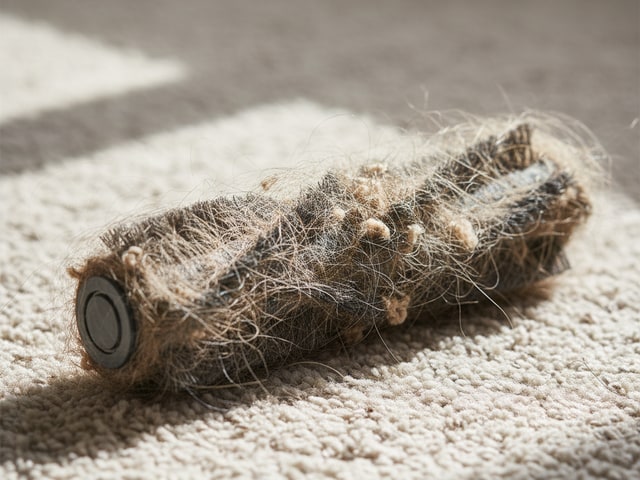
Traditional bristle brushes wrap almost all long hair requiring frequent manual cleaning, while low suction power and small dustbins create additional challenges that separate budget robots from good pet hair management. Brush design creates the biggest maintenance headache. Most affordable options use single bristle brush systems that collect long pet hair like a magnet. Testing shows traditional Roomba brush designs catch almost all 7-inch hair strands during cleaning cycles, creating tangled messes that require manual cutting every few days. You'll spend more time maintaining the robot than you saved by buying one if you own Golden Retrievers or long-haired cats. Suction power limitations become obvious on carpet. These machines usually produce modest suction, which handles surface fur on hardwood but struggles with hair worked into carpet fibers. Most budget models perform below average for deep fur removal. Your robot might pick up visible tumbleweeds while leaving deeper fur that only emerges during manual vacuuming. Small dustbins fill rapidly with pet hair. Most affordable robots have 300-600ml dustbins that seem adequate until you factor in daily shedding from multiple pets. Pet hair takes up much more volume than regular dust, forcing you to empty the bin every couple days instead of weekly. The constant interruption defeats the convenience factor that makes robot vacuums appealing. Basic navigation systems miss critical areas where pet hair accumulates most. Simple bump-and-turn robots randomly wander around furniture without systematically covering pet beds, feeding zones, and favorite sleeping spots where fur concentrates. You'll find thick hair deposits in corners and under furniture that the robot never reached, requiring manual cleanup anyway. Budget robot vacuums show varying edge cleaning performance between navigation systems. Affordable models often use basic side brushes that scatter pet hair rather than collecting it, especially along baseboards where fur naturally gathers. The combination of weak suction and poor edge design means you're still sweeping perimeters manually. When you need more targeted pet hair removal for furniture and stairs, traditional pet hair vacuums have stronger agitation and specialized attachments that handle deep fur more effectively than any robot in this price range.
Hard floors vs carpet: where budget robots excel
Hard floor performance reaches strong pet hair collection with proper suction design, while carpet cleaning exposes the clear limitations of affordable robot vacuums under $200. You'll get reliable daily fur removal on tile and hardwood, but deep carpet hair requires realistic expectations. Hardwood and tile surfaces show where these budget machines actually work well. The ILIFE V3s Pro achieves consistent collection performance on hardwood using its tangle-free suction port, while the eufy RoboVac 11S pulls surface fur well across laminate and vinyl. Pet hair sits loose on these surfaces, making it easy prey for even modest suction power. Low-pile carpet shows decent results but demands multiple cleaning passes for hair embedded in fibers. These machines often score below average on first-pass pickup, meaning your robot needs to cover the same area 2-3 times to match what happens in one pass with pricier models. The Roomba 692 handles low-pile rugs reasonably well during its 90-minute cleaning cycles, but you'll notice leftover fur that requires follow-up cleaning. Medium and high-pile carpets expose budget robot limitations most clearly. Modest suction power simply can't generate enough airflow to extract fur that's embedded deep in carpet fibers. The MOVA S10 stands out with better deep fur removal, but it often runs above the $200 budget when not on sale. Most sub-$200 models struggle to hit even 50% collection on plush carpeting. Affordable robot vacuums show varying edge cleaning performance between navigation systems. Basic bump-and-turn robots like older ILIFE models scatter pet hair along baseboards rather than collecting it, while LiDAR-equipped units have more systematic edge coverage. The side brushes on affordable models often lack the speed and positioning to sweep fur from corners where it naturally accumulates. Carpet agitation is the deciding factor for deep fur removal. Traditional brush systems on the Roomba 692 have better carpet performance than suction-only designs, but they wrap almost all long hair around the rollers. Suction-only models avoid tangles completely but sacrifice the mechanical agitation needed to loosen hair embedded in carpet fibers. When you're dealing with mostly hardwood and occasional area rugs, hardwood floor vacuums have specialized brush designs and stronger suction that complement your robot's daily maintenance routine without risking surface scratches.
Anti-tangle features: what actually works under $200
Rubber brush designs reduce hair wrapping dramatically but remain rare in sub-$200 models, while suction-only ports eliminate tangles completely at the cost of carpet cleaning power. You'll find most affordable robots still use traditional bristle brushes that wrap almost all long pet hair around their rollers. True rubber brushroll systems like those found on premium Roborock models cost much more to manufacture, pushing most implementations above the $200 price point. The MOVA S10 reduces hair wrapping compared to basic brush systems, but it often runs closer to $250-300. Most budget alternatives stick with cheaper bristle brushes that collect fur well but create maintenance headaches. Suction-only designs face a trade-off that has the most reliable anti-tangle solution under $200. The ILIFE V3s Pro robot vacuum uses this approach, eliminating rotating brushes entirely in favor of direct suction through a wide intake port. You'll never cut tangled Golden Retriever fur from brush rolls, and maintenance drops to simple dustbin emptying and filter cleaning every few weeks. Without mechanical agitation, suction-only designs can't loosen hair embedded in carpet fibers like brush-based systems. You get excellent results on hardwood and tile where surface hair sits loose, but medium and high-pile carpets require multiple passes or manual follow-up cleaning. Self-cleaning brush combs help reduce accumulation but don't prevent wrapping entirely. Some affordable models include plastic combs that scrape hair from brush rolls during operation, extending the time between manual cleanings from daily to weekly. These systems work better with shorter pet hair but still struggle with long fur from breeds like German Shepherds or Maine Coon cats. Regular maintenance schedules are essential regardless of anti-tangle claims. Even the best brush designs in this price range require weekly cleaning to maintain suction performance and prevent motor strain. You'll need to remove the brushroll, cut away wrapped hair with scissors, and clear any debris from the bearings. Affordable robots with traditional brushes need this attention every 2-3 days in heavy shedding households. When you're dealing with furniture and stairs where robot vacuums can't reach, handheld pet hair vacuums have specialized anti-tangle tools and stronger suction that complement your robot's daily floor maintenance routine.
Noise levels and pet comfort considerations
Budget robot vacuums usually operate between 55-65dB, which most pets tolerate well once they adjust to the routine. You'll find that gradual introduction and smart scheduling help even noise-sensitive animals accept their new robotic housemate without stress. The eufy RoboVac 11S robot vacuum runs quietly, making it one of the whisper-quiet options that rarely bothers cats or anxious dogs. This sound level sits below normal conversation volume, so your pets can nap nearby while it cleans. The ILIFE V3s Pro operates slightly louder but still quieter than most traditional vacuums that hit 70-80dB during operation. Quieter operation often correlates with lower suction power in affordable models. The trade-off means you get pet-friendly sound levels but sacrifice some deep-cleaning capability on carpets. Most budget robots prioritize quiet running over maximum suction, which works well for daily maintenance cleaning when pets are home. Gradual introduction helps noise-sensitive animals adjust to robot schedules over 1-2 weeks. Start by running the robot for short 10-15 minute sessions while you're home to monitor your pet's reaction. Many dogs initially bark or follow the robot around, but they usually lose interest once they realize it's not a threat. Cats often hide during the first few cleaning cycles but usually ignore the robot after a week of consistent schedules. Scheduling during pet nap times maximizes cleaning without stress for both you and your animals. Most pets sleep 12-16 hours daily, giving you plenty of quiet windows for robot cleaning. Running the vacuum while you're at work eliminates the noise concern entirely, and you'll return to clean floors without dealing with anxious pets. When volume remains a major concern for your household, quietest vacuum cleaners under $100 have ultra-quiet handheld and stick options that complement your robot's daily cleaning routine without disturbing sensitive pets.
Maintenance requirements for pet hair robots
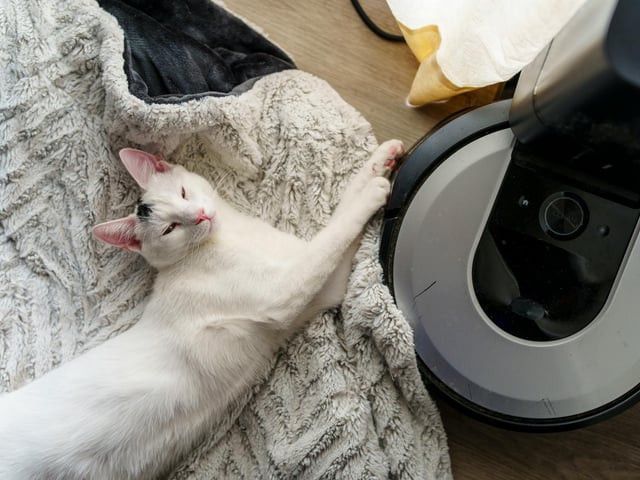
Daily emptying is necessary with heavy shedding pets, while weekly brush cleaning prevents performance degradation that can strain motors and reduce collection efficiency. You'll need to establish a consistent maintenance schedule to keep your budget robot vacuum working well in a pet household. Dustbin emptying shifts from weekly to daily when you own multiple shedding pets. The 300ml dustbin capacity on the ILIFE V3s Pro fills rapidly with Golden Retriever fur, requiring attention every couple days during heavy shedding periods. Pet hair takes up much more volume than regular dust, and a full bin reduces suction power by forcing the motor to work harder against restricted airflow. Brush cleaning is your most important weekly task for models with rotating rollers. The Roomba 692 robot vacuum collects almost all long hair around its dual brushes during testing, creating tangled messes that require manual removal with scissors. You'll need to flip the robot over, remove the brushroll assembly, and cut away wrapped fur every 5-7 days to maintain proper agitation and prevent motor strain from overloaded bearings. Filter replacement every 2-3 months maintains allergen capture efficiency that matters for pet dander control. Affordable models often use basic multi-stage filters rather than true HEPA systems, but they still trap fine particles well when clean. A clogged filter forces the motor to work harder while reducing the suction that pulls pet hair from carpet fibers. Side brush and wheel cleaning prevents hair buildup that affects navigation accuracy around furniture and pet feeding areas. Long fur wraps around the small side brush motors and wheel axles, causing erratic movement patterns that leave hair deposits in corners. Monthly cleaning of these components takes just a few minutes but prevents navigation problems that make your robot miss high-traffic pet zones. Suction-only designs like ILIFE models require minimal brush maintenance but need more frequent filter attention. Without rotating brushes to trap debris, these systems rely entirely on filter efficiency to separate pet hair from airflow. You'll clean filters weekly instead of monthly, but you'll never spend time cutting tangled fur from brush assemblies. When you need stronger suction for furniture and car interiors where robots can't reach, handheld pet hair vacuums have specialized attachments and more powerful motors that complement your robot's daily floor maintenance routine.
When to choose a traditional vacuum instead
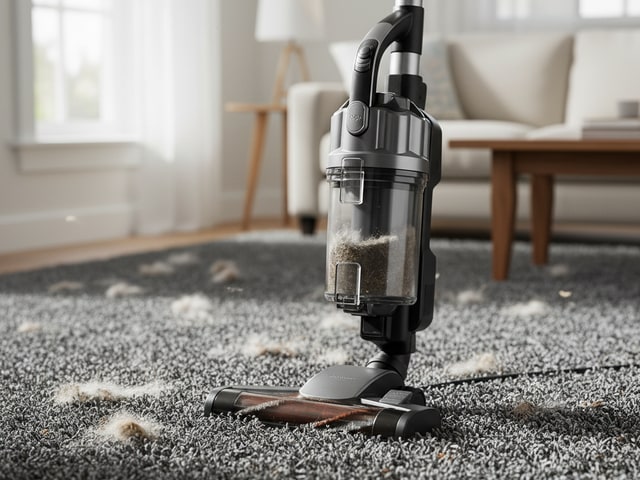
Homes with primarily medium to high-pile carpet benefit more from upright vacuums that have the aggressive brush agitation needed to extract deep fur from carpet fibers. Affordable robot vacuums simply can't generate enough mechanical action to match what an upright vacuum accomplishes in carpet cleaning. Multiple large shedding dogs may overwhelm budget robot capacity within hours of cleaning. The 300-600ml dustbins on most sub-$200 models fill rapidly when you own German Shepherds or Golden Retrievers dropping fur constantly. You'll empty the robot 2-3 times daily, defeating the convenience factor that makes robotic cleaning appealing in the first place. Deep weekly cleaning still requires traditional vacuum power regardless of robot use. Even the best affordable robots handle surface maintenance, but hair embedded in fibers, ground-in dirt, and allergens need the sustained suction and brush agitation that only upright vacuums have. Your robot maintains daily cleanliness while an upright vacuum handles the heavy lifting once or twice weekly. Allergy sufferers may need stronger filtration than affordable robots have. Most sub-$200 models use basic multi-stage filters rather than true HEPA systems, allowing fine dander particles to recirculate through your home's air. Traditional vacuums with sealed HEPA filtration capture particles more effectively, giving the allergen control that matters for sensitive family members. Stairs and furniture cleaning remain impossible for any robot vacuum. You'll need an upright vacuum or handheld model to tackle pet hair on couches, car interiors, and multi-level homes where robots can't reach. Lightweight vacuums under 8 pounds have the portability needed for stairs and furniture without the back strain of heavier upright models. The honest assessment is that robot vacuums work best as daily maintenance tools in homes that already own an upright vacuum for deep cleaning tasks. When you're choosing between a robot and an upright vacuum with a limited budget, the upright vacuum handles more cleaning scenarios well.
Frequently asked questions
Can robot vacuums under $200 handle long pet hair?
Most budget robots struggle with long pet hair because it wraps around their brushrolls. The ILIFE V3s Pro and V2 avoid this problem by using suction-only cleaning without rotating brushes, but they're weaker on carpet. When you own a Golden Retriever or long-haired cat, expect to cut hair off the brushroll weekly with traditional brush designs.
How often do I need to empty the dustbin with pets?
You'll empty it every 2-3 cleaning cycles in a typical pet home. Budget robots have small dustbins (0.3-0.6 liters), and pet hair is bulky. Homes with multiple shedding pets might need daily emptying during peak shedding periods.
Do budget robot vacuums work on carpet with pet hair?
They handle surface hair on low-pile carpet but struggle with deeply trapped fur. The MOVA S10 performs well on carpet cleaning tests, but most sub-$200 models perform below average. You'll still need a regular vacuum for weekly deep carpet cleaning.
Which brush type is best for pet hair in cheap robots?
Rubber brushrolls resist tangles better than bristle brushes, but they're rare under $200. Most affordable models use traditional bristle brushes that pick up hair well but wrap it heavily. Suction-only designs avoid tangles entirely but sacrifice carpet performance.
Are self-emptying bases available under $200?
Very rarely, and usually only during major sales. The Eufy C10 T2292 includes an automatic emptying station, but it often costs more than $200. Self-emptying features usually start around $300 for reliable systems that actually help with pet hair maintenance.
How loud are budget robot vacuums around pets?
Most run between 55-65 decibels, which is quieter than traditional vacuums but still noticeable. The eufy 11S runs quietly, while the ILIFE V3s Pro operates at moderate volume. Noise-sensitive pets might hide initially but usually adapt within a few cleaning cycles.
Can robot vacuums replace regular vacuuming for pet owners?
No, they're daily maintenance tools, not replacements. Budget robots excel at picking up surface hair and preventing tumbleweeds, but you'll still need a regular vacuum every 1-2 weeks for deep carpet cleaning and areas the robot misses like stairs and tight corners.
What suction power do I need for pet hair under $200?
Suction numbers are misleading brush design matters more than raw power. The eufy 11S works well with moderate suction, while some higher-rated models struggle with tangles. Focus on anti-tangle features and carpet agitation rather than chasing the highest rating.
Do robot vacuums help with pet allergies?
Affordable models give modest allergy relief by reducing airborne hair and dander through daily cleaning. The Roomba 692 claims its filter captures pet allergens well, but most sub-$200 robots use basic filtration. They help but won't replace air purifiers for serious allergies.
How much maintenance do pet hair robots require?
Expect weekly brushroll cleaning and monthly filter replacement with traditional brush designs. You'll spend 5-10 minutes cutting hair off the roller and clearing the side brushes. Suction-only models need less maintenance but require more frequent dustbin emptying.