Pet Hair Vacuums: Shark Navigator vs Eureka Pro
The Shark Navigator NV360, an upright vacuum with sealed HEPA filtration, provides superior carpet performance in this price range, while the Eureka PowerSpeed Pet offers better value for hard floors and light pet hair cleanup.
You're staring at two vacuum boxes in the store, wondering if spending extra on the Shark is worth it or if the cheaper Eureka will handle your shedding dog just fine. The Navigator series outperforms budget Eureka models in professional testing, especially on carpets where its sealed HEPA system traps fine dust and allergens that would otherwise escape back into your air. The PowerSpeed Pet gives you a large dust cup and decent suction, but lacks the anti-tangle brushroll that prevents those frustrating hair clogs. Pet owners on Reddit regularly mention the Shark's Lift-Away feature as useful for cleaning stairs and furniture where pets love to shed.
Filtration systems separate these models. Shark's Anti-Allergen Complete Seal works like a bank vault, while most Eureka models let fine particles slip through washable foam filters. This matters more than you'd think if anyone in your house has allergies or asthma.
Your right choice depends on your floors, your budget, and how much pet hair you're actually fighting. By the end, you'll know exactly which vacuum fits your home and your wallet.
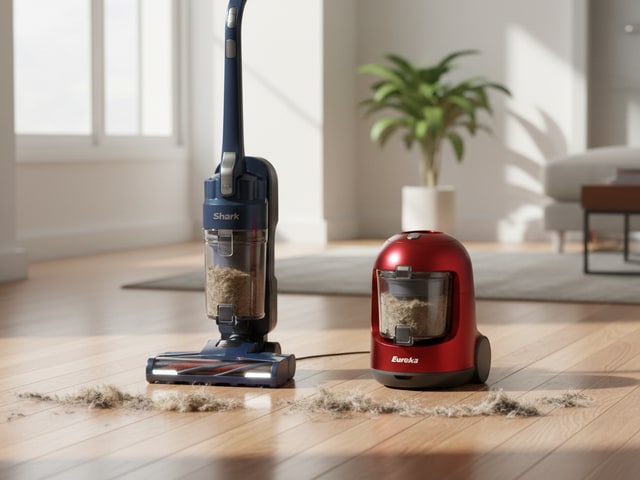
Best pet vacuums under $150: Shark vs Eureka comparison
The Navigator NV360, a lift-away upright vacuum, offers strong performance at this price point with its sealed HEPA system, while budget-focused pet owners get solid value from the PowerSpeed Pet's massive dust capacity and basic pet tools.
Five models handle pet hair cleanup well without breaking your budget. The NV360 sits at the top when you catch it on sale, giving you Anti-Allergen Complete Seal Technology that traps fine particles and allergens. That sealed system matters more than fancy marketing suggests. Pet dander that escapes other vacuums stays locked inside this one.
The PowerSpeed takes a different approach with its large dust cup and turbo pet brush attachment. You get decent suction and pet-focused tools for less money, though the washable foam filter can't match Shark's HEPA performance. This lightweight upright works well if your home is mostly hard floors with occasional area rugs.
Premium pet performance: Shark Rotator ZU62
The Shark Rotator ZU62 Navigator Zero-M Pet Pro uses self-cleaning brushroll technology that removes hair wrap as you clean. Zero-M technology uses a comb inside the brushroll housing to cut and pull tangled hair into the dust cup automatically. You get a massive dust cup, three XL pet tools, and the same sealed HEPA filtration as the Navigator.
This model drops in price during major sales events. The long cord gives you room-to-room cleaning without constant unplugging, and the warranty covers both parts and labor. Pet owners with multiple shedding animals regularly mention how the Zero-M brushroll eliminates the tedious hair-cutting maintenance that plagues other vacuums.
Cordless convenience options
The Eureka RapidClean Pro cordless stick offers 3-in-1 versatility with its detachable handheld unit for quick pet hair cleanup on furniture and car interiors. You can tackle daily maintenance cleaning without dragging out a full-size vacuum, though the smaller motor struggles with trapped fur in thick carpets. This model works best on hard surfaces and low-pile rugs where pet hair sits on the surface.
Shark's Power Pro cordless stick provides the strongest suction among cordless models tested, with an anti-tangle brushroll and removable battery for extended cleaning time. The runtime can be limited on high power when dealing with pet hair, but that's usually enough for most homes. You'll pay more new, but refurbished units often appear at lower prices.
For smaller cleaning tasks, consider exploring handheld pet vacuums under $100 as supplements to your main vacuum rather than replacements.
Sealed vs unsealed filtration systems
Shark models in this range feature true sealed HEPA systems where every air path is sealed to prevent particle escape. The Anti-Allergen Complete Seal Technology creates a closed loop from the intake to the exhaust, critical for homes with pet allergies or asthma. You'll replace HEPA filters periodically depending on use.
The PowerSpeed Pet and similar budget models use washable foam filters that capture larger debris but allow fine particles to pass through. The lack of a sealed system means pet dander can escape through gaps around the motor housing and filter compartment. This design keeps costs down but compromises allergen control.
You notice this difference during bin emptying. Shark's sealed design helps contain dust better than basic filtration systems. Pet owners with allergies notice the improvement immediately when switching between brands.
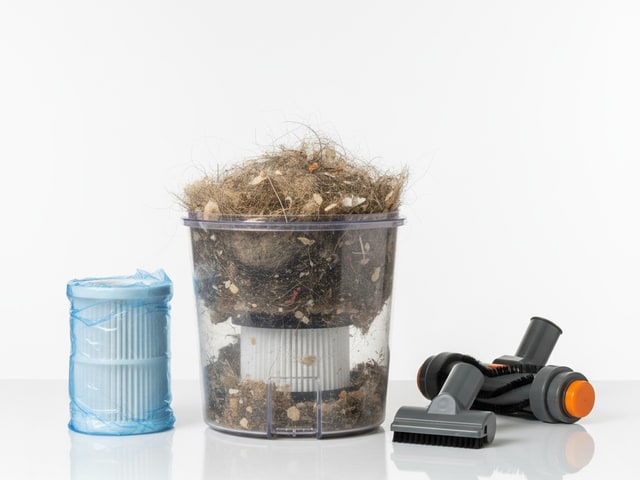
What makes a pet vacuum worth $150?
A sealed HEPA filtration system that traps pet dander distinguishes premium vacuums from budget options that let allergens escape back into your air. You're paying for technology that prevents the microscopic particles your pets shed from circulating through your home after cleaning.
The Anti-Allergen Complete Seal Technology found in quality pet vacuums creates a closed loop from intake to exhaust. Every air path gets sealed to prevent particle leakage, critical when you're dealing with pet dander that measures just 0.3 microns. Basic foam filters in budget vacuums capture visible hair but miss the invisible allergens that trigger sneezing and watery eyes.
Better brushroll designs prevent hair tangling that plagues standard vacuum brushes. Some premium models feature internal mechanisms that help prevent hair wrap-up, though you'll still need occasional maintenance. You avoid some of the frustrating ritual of flipping your vacuum over and cutting wrapped hair with scissors every few uses.
Dust capacity that matches pet hair volume
Larger dust cup capacity handles the surprising amount of hair that multi-pet households generate daily. A golden retriever sheds enough hair to fill a small dust cup in one room, forcing constant emptying that interrupts your cleaning flow. Premium pet vacuums size their bins to match real-world pet hair volume.
Shedding season reveals this limitation when pets blow their coats. Budget vacuums with small cups require emptying three times per room, while properly sized bins let you clean an entire floor before stopping.
Specialized pet tools that work
Shark's pet turbo tools and similar attachments with motorized brushes tackle hair caught in fibers in upholstery and car interiors where static brushes fail. These powered mini-brushes spin at high speed to agitate hair from fabric fibers, especially useful for removing cat hair from couch cushions or dog hair from car seats.
Crevice tools designed for pet homes feature wider openings that don't clog with hair clumps. Standard narrow crevice tools jam when you try to vacuum hair from baseboards or between couch cushions. Pet-specific versions maintain suction flow even when picking up hair bundles.
Multi-surface performance for real pet homes
Quality pet vacuums transition seamlessly between carpets, rugs, and hard floors where pets shed throughout your home. Automatic height adjustment and brushroll control prevent scattering litter on tile while maintaining deep cleaning power on carpets where hair embeds.
Pet owners need this flexibility since pets don't limit their shedding to one floor type. You need reliable pickup whether you're cleaning hair from kitchen tile, living room carpet, or bathroom rugs. Budget models often excel on one surface while struggling on others.
For apartment dwellers concerned about noise, consider exploring neighbor-friendly vacuum options that balance pet hair performance with sound control.
Shark vs Eureka: performance on different floor types
Shark models outperform Eureka vacuums on high-pile carpets where pet hair embeds deep into fibers, while Eureka excels on bare floors for quick daily cleanups in smaller spaces. Testing shows Navigator models generally perform better on carpeted surfaces compared to budget Eureka uprights.
You'll notice the biggest performance gap on plush carpets where your pets love to lounge. Shark's stronger suction motors and sealed airflow systems pull hair caught in fibers from deep carpet fibers that Eureka's lighter motors leave behind. The NV360's brushroll penetrates thick pile more well, agitating hair loose before the suction pulls it away.
PowerSpeed models shine on hardwood, tile, and laminate where pet hair sits on the surface rather than embedding. The lightweight design makes quick daily passes effortless, and you won't scratch delicate floors with aggressive brushroll action. These vacuums work particularly well in apartments and smaller homes where most cleaning involves surface debris rather than deep carpet extraction.
Mixed floor versatility
Shark's brushroll shut-off feature and sealed HEPA systems provide better versatility when you're moving between carpet and hard floors throughout your home. You can disable the brushroll on bare floors to prevent scattering litter or kibble, then re-engage it for carpeted areas where deep hair requires agitation.
Most Eureka models lack automatic height adjustment or brushroll control, making transitions between floor types more challenging. You might find yourself pushing debris around on hard floors or struggling with insufficient carpet penetration as you move room to room.
Area rug and edge performance
Both brands handle low-pile area rugs adequately, but Shark's stronger suction benefits thick Persian rugs or shag carpets where pet hair settles deep into the weave. The sealed airflow maintains reliable suction even as the dust cup fills with hair and debris.
Shark's Lift-Away design and specialized crevice tools reach tight spaces around furniture legs and baseboards where pet hair accumulates. You can detach the canister to clean stairs and upholstery more well than dragging a full upright vacuum. Basic Eureka models rely on standard attachments that don't navigate tight corners as well.
For homes with primarily hard floors and minimal carpeting, consider exploring specialized hardwood floor vacuums that prioritize gentle cleaning over deep carpet performance.
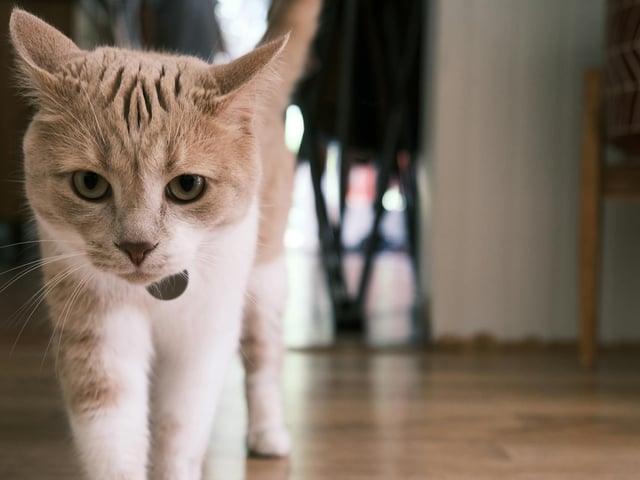
Pet hair and allergen control: HEPA vs basic filtration
Shark's Anti-Allergen Complete Seal Technology, a sealed HEPA filtration system, captures fine dust and allergens based on ASTM F1977 testing, while Eureka's washable foam filters allow fine pet dander to escape through unsealed air paths. You get fundamentally different allergen protection between these brands. One locks particles inside, the other lets microscopic irritants slip back into your air.
This sealed system creates a closed loop from intake to exhaust where every air path gets sealed to prevent particle leakage. Pet dander measures just 0.3 microns, invisible to your eye but large enough to trigger sneezing and watery eyes in sensitive family members. When you empty a Shark dust cup, the contained particles stay trapped instead of creating the dust clouds that billow out of basic filtration systems.
The PowerSpeed Pet and similar budget models use washable foam filters that capture visible hair and larger debris but miss the microscopic allergens that matter most for health. The foam material itself filters reasonably well, but gaps around the motor housing and filter compartment allow fine particles to bypass the filter entirely. You can wash these filters indefinitely, but they never achieve the particle capture rates of true HEPA media.
Hair wrap prevention technology
Zero-M technology and similar systems use internal combs to automatically slice tangled hair and pull it into the dust cup as you clean. You avoid the tedious maintenance ritual of flipping your vacuum over and cutting wrapped hair with scissors every few cleaning sessions. The comb mechanism works continuously, preventing the hair buildup that eventually stops brushroll rotation.
Standard Eureka brushes collect pet hair around the bristles and require manual cleaning when the wrap becomes thick enough to reduce suction or stop the brush entirely. Long-haired pets and households with multiple animals create enough daily hair volume to clog basic brushrolls within a single cleaning session. You'll spend more time maintaining the vacuum than using it.
Self-cleaning brushroll designs eliminate this frustration by handling hair removal automatically. The technology adds cost but pays for itself in time saved and reliable cleaning performance. Households with pets frequently mention this feature as the biggest quality-of-life improvement when upgrading from basic vacuums.
Critical considerations for allergy sufferers
Sealed HEPA systems become non-negotiable for homes with asthma or pet allergies where escaped particles can trigger serious respiratory reactions. The difference between sealed and unsealed filtration isn't just about cleaning performance. It's about creating a safe indoor environment for sensitive family members.
Pet dander contains proteins that remain airborne for hours after cleaning if your vacuum releases them back into the room. A properly sealed system prevents this re-circulation, improving your indoor air quality rather than just moving allergens around. You notice the improvement immediately when switching from a basic vacuum to a sealed HEPA model.
For severe allergies, consider pairing your main vacuum with specialized handheld options for targeted cleaning of pet bedding and furniture where allergens concentrate most heavily.
Long-term filter costs and maintenance
HEPA filter replacement costs vary depending on pet hair volume and household dust levels. You get superior particle capture but pay ongoing replacement costs that budget vacuum owners avoid. The filters maintain their performance until replacement time, providing reliable allergen protection throughout their lifespan.
Washable foam filters cost nothing to maintain beyond occasional replacement when the foam deteriorates, typically after 2-3 years of regular washing. You save money on consumables but sacrifice the particle capture performance that makes the difference for allergy control. The foam gradually loses density and develops gaps that reduce filtration performance over time.
The cost difference matters less when you factor in the health benefits of proper allergen control. Reduced allergy symptoms and better sleep quality often justify the ongoing filter expense for families dealing with pet-related respiratory issues.
Weight, maneuverability, and ease of use
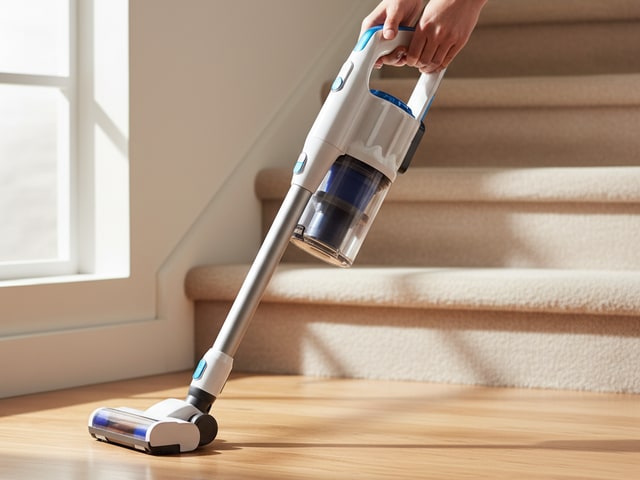
The PowerSpeed Pet, a lightweight upright vacuum, weighs less compared to the Navigator NV360's heavier frame, making daily cleaning less tiring for your arms and back. You'll notice the difference immediately when carrying either vacuum upstairs or maneuvering around furniture during your weekly cleaning routine.
This weight advantage becomes obvious during extended cleaning periods. Eureka's lighter construction reduces fatigue when you're vacuuming multiple rooms, though this comes at the cost of the powerful motor and sealed filtration system that adds bulk to Shark models. You can clean longer without strain, but you sacrifice some deep-cleaning power in the trade-off.
Shark's Lift-Away technology transforms the Navigator into a portable canister for stairs and upholstery cleaning where dragging a full upright becomes awkward. You detach the main canister with a simple button press, leaving the heavy motor base behind while carrying just the suction unit and hose. This design advantage matters most for two-story homes or when cleaning car interiors where pet hair accumulates.
Fixed Eureka designs require you to carry the entire vacuum or use extension attachments that reduce suction power through the longer air path. You lose the flexibility to tackle stairs well, though the lighter overall weight partially compensates for the lack of detachable components.
Both brands provide long cords on their upright models, giving you room-to-room coverage without constant outlet switching. You can clean most average-sized rooms completely before needing to unplug and move to the next outlet. Cord length rarely becomes the limiting factor in either brand's usability.
Dust bin emptying reveals another practical difference between designs. Shark's bottom-empty mechanism contains dust clouds better during disposal, while Eureka's top-lift systems can release particles back into the air as you remove the bin. You'll appreciate the cleaner emptying process if anyone in your household deals with pet allergies or respiratory sensitivity.
For users prioritizing minimal weight above all else, consider exploring ultra-lightweight vacuum options that sacrifice some pet hair performance for maximum portability.
Cordless vs corded: runtime and power trade-offs
Cordless models sacrifice cleaning power for convenience, with the Shark Power Pro cordless stick providing runtime in standard mode but dropping noticeably on high power when tackling deep hair. You get mobility and quick cleanup capability, but you lose the reliable suction that corded models maintain throughout entire cleaning cycles.
The runtime reality hits hardest during pet hair cleanup when you need maximum suction to pull trapped fur from carpets and upholstery. Standard mode works fine for daily maintenance on hard floors, but thick carpet with golden retriever hair demands high power that drains batteries quickly. You'll find yourself planning cleaning routines around battery life rather than room completion.
The RapidClean Pro cordless stick provides decent runtime for its price point but produces noticeably weaker suction compared to corded Eureka models in the same range. The motor simply can't draw the same power from a battery that it gets from wall current. You can clean longer per charge than premium cordless models, but you sacrifice the deep cleaning performance that families with pets need for hair caught in fibers removal.
Power consistency throughout cleaning
Corded models maintain full suction from the first room to the last, while battery-powered units experience gradual power fade as the charge depletes. This shows up most on thick carpets where reliable strong suction makes the difference between surface cleaning and deep hair extraction. As battery life diminishes, you may find insufficient power for good carpet cleaning.
This power fade affects cleaning strategy in multi-pet households where you need sustained performance across large areas. Corded uprights let you tackle an entire floor without performance degradation, while cordless models force you to prioritize high-traffic areas during peak battery performance.
Convenience vs deep cleaning trade-offs
Cordless vacuums excel at quick daily cleanups where you grab the vacuum for spot cleaning and avoid finding outlets and managing cords. You can quickly address fresh pet hair on furniture or clean up scattered litter without the setup time that corded models require. This convenience encourages more frequent cleaning, which reduces the buildup that requires deep cleaning efforts.
Weekly deep cleaning routines still demand corded power for thorough carpet cleaning and hair removal. You need the sustained suction that only wall power provides to extract the hair that accumulates in carpet fibers over several days. Most families with pets find themselves using cordless for daily maintenance and corded for weekly deep cleaning.
For apartment dwellers who prioritize convenience and storage, consider exploring cordless options designed for small spaces where quick cleanup matters more than deep carpet performance.
Long-term battery replacement costs
Battery replacement costs add hidden expense to cordless ownership that many buyers overlook. Lithium-ion batteries gradually lose capacity with each charge cycle, eventually providing insufficient runtime for good cleaning. You'll notice the degradation as cleaning cycles become shorter and less powerful over time.
This replacement cost increases the total ownership expense beyond the initial purchase price. Corded models avoid this ongoing expense but tie you to outlet locations and cord management throughout your home. The convenience of cordless cleaning comes with a definite long-term price tag that budget-conscious buyers should factor into their decision.
Noise levels and apartment-friendly options
Shark vacuum cleaners can produce higher noise levels during operation due to their powerful suction motors, while Eureka models run quieter but often emit high-pitched whining sounds that can be equally disruptive in close quarters. You'll notice the difference immediately when running either brand in an apartment where thin walls amplify every sound.
Higher noise levels from Shark models come from the sealed HEPA systems and stronger motors that create the suction power families with pets need for hair removal. These vacuums sound like a powerful shop vacuum when running at full capacity, which can disturb neighbors during early morning or late evening cleaning. The noise becomes more pronounced on carpets where the motor works harder to maintain suction through the brushroll resistance.
Eureka's lighter motors produce less overall volume but create a distinct high-pitched whine that many users find more annoying than Shark's deeper motor sound. The whining frequency can carry through apartment walls more well than lower-pitched sounds, making it seem louder to neighbors even when the actual measurement reads lower. You might prefer the steady hum of a Shark over the variable whining that Eureka models produce as suction fluctuates.
Both brands can stress noise-sensitive pets during cleaning, though the type of sound affects different animals differently. Dogs often react more strongly to the high-pitched whining of budget Eureka models, while cats may hide from the deeper rumble of powerful Shark motors. You'll need to consider your pet's specific noise sensitivity when choosing between brands, as some animals never adjust to vacuum sounds regardless of volume level.
For apartment dwellers with close neighbors and strict noise policies, Eureka's quieter operation provides a practical advantage during restricted hours. You can run most Eureka models during evening hours without generating the complaints that Shark's powerful motors might trigger. The trade-off means accepting weaker suction performance and potentially longer cleaning times to achieve the same results.
Time-of-day cleaning restrictions become a real factor when choosing between powerful Shark models and quieter Eureka alternatives. Most apartment complexes prohibit vacuum use before 8 AM or after 9 PM, limiting your cleaning schedule if you own a particularly loud model. Consider exploring neighbor-friendly vacuum options if noise restrictions seriously impact your cleaning routine or if you frequently need to clean during quiet hours.
Frequently asked questions
Is Shark better than Eureka for pet hair?
Shark vacuums typically outperform Eureka models on pet hair thanks to stronger suction and better brushroll design. The Navigator NV360's brushroll and sealed HEPA system handle trapped fur better than Eureka's standard brushes, which tend to wrap with long fur. You'll spend less time cutting hair off the brushroll with Shark models.
Which vacuum is better for pet hair under $150?
The Navigator NV360 on sale beats any new Eureka at this price point. You get sealed HEPA filtration, Lift-Away versatility, and superior carpet cleaning when it drops in price during promotions. New Eureka models like the PowerSpeed Pet cost less but lack the deep-cleaning power for heavy shedding.
Do Shark vacuums clog less than Eureka vacuums?
Yes, much less thanks to Shark's improved brushroll design on many models. Eureka's standard brushrolls collect hair that you'll need to manually remove every few uses. Shark's improved design keeps the brushroll spinning more freely even with long pet hair and human hair mixed in.
Are Shark pet vacuums worth the extra money?
Absolutely, if you have carpets and heavy shedding. The sealed HEPA system alone justifies the price difference for allergy sufferers, and the stronger suction pulls hair from carpet fibers that budget Eurekas leave behind. For mostly hard floors with light pet hair, Eureka's savings might make more sense.
Which vacuum is better for allergies, Shark or Eureka?
Shark wins decisively with its Anti-Allergen Complete Seal Technology and true HEPA filtration. Most Eureka pet models use washable foam filters without sealed systems, allowing fine pet dander to escape back into your air. The NV360 traps fine particles and allergens inside the vacuum.
Do Eureka pet vacuums have true HEPA filters like Shark?
Most don't have sealed HEPA systems like Shark's Anti-Allergen Complete Seal. Eureka models often include HEPA-type filters but lack the sealed airflow path that prevents allergens from escaping through gaps. This matters enormously if anyone in your household has pet allergies or asthma.
Which is easier to maintain, Shark or Eureka pet vacuums?
Eureka requires less frequent filter maintenance since most models use washable foam filters rather than replaceable HEPA filters. However, you'll spend more time untangling hair from Eureka's standard brushrolls. Shark's improved brushroll design saves time on hair removal but needs periodic HEPA filter replacement.
Is Eureka better for bare floors while Shark excels on carpets?
This generalization holds true at this price point. Eureka's lightweight design and decent suction handle hard floors and low-pile rugs well for the price. Shark's stronger motor and deeper-cleaning brushrolls excel on medium and high-pile carpets where pet hair gets trapped.