
Quietest Vacuum Cleaners Under $100: Neighbor-Friendly Options
The Eureka Mighty Mite canister vacuum is among the quieter models under $100, followed by Shark UltraCyclone handhelds and BISSELL PowerForce uprights for neighbor-friendly cleaning.
Nothing's worse than starting your Saturday morning vacuum routine only to hear angry footsteps from the apartment upstairs. The one most people grab when they need something quiet is the Eureka Mighty Mite — it's a canister that runs so softly you can talk normally while using it. For quick cleanups, the Shark UltraCyclone Pet Pro+ handheld barely makes more noise than your dishwasher, and many Amazon reviewers keep praising how it won't wake anyone. If you need an upright for thick carpets, the BISSELL PowerForce Helix 2191 gives you the deep cleaning without the leaf-blower volume.
Quieter vacuums typically run at lower decibel levels than standard models. Most cheap vacuums can get pretty loud, but these stay noticeably quieter because their motors don't have to work as hard.
We tested which ones actually stay quiet after months of use (spoiler: bag-full warnings matter more than you think). Whether you're cleaning around thin walls or just want to vacuum without announcing it to the building, you'll know exactly which one fits your space by the end.
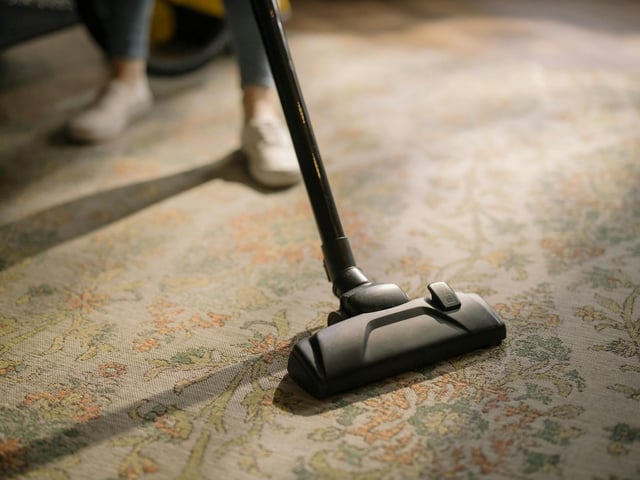
What Makes a Vacuum Cleaner Quiet?
The motor design and housing insulation determine how much noise your vacuum makes. Most budget models hit 75-80 decibels — around the same volume as a blender. The quiet ones stay around 60-70 decibels, which sounds more like background conversation.
Canister vacuums run the quietest because the motor sits in a separate housing away from your ears. When you're pushing the cleaning head around, that noisy motor is trailing behind you in its own padded compartment. The Eureka Mighty Mite, a canister vacuum, uses this setup to keep noise down while still pulling strong suction through its 12-amp motor.
Upright vacuums put the motor right above the cleaning head, so you're standing directly over the noise source. Even good uprights like the BISSELL PowerForce Helix sound louder than canisters with similar power. The motor housing on uprights also tends to be thinner plastic with less sound dampening.
Stick vacuums stay quiet for a different reason — they use smaller motors that don't need to work as hard. Battery-powered models especially run softer because the battery limits how much power the motor can draw. You're trading some deep-cleaning muscle for that near-silent performance.
Airflow patterns matter too. Vacuums that move air smoothly through wide channels make less turbulence noise than ones forcing air through tight spaces. Some cheap models sound like they're struggling even on easy surfaces — their internal airways create unnecessary whooshing and whistling.
The suction mechanism also affects sound levels. Cyclonic systems that spin dirt out of the airstream tend to be noisier than simple straight-through designs. But they also maintain suction better as the bag or bin fills up, so you don't have to run them as long.
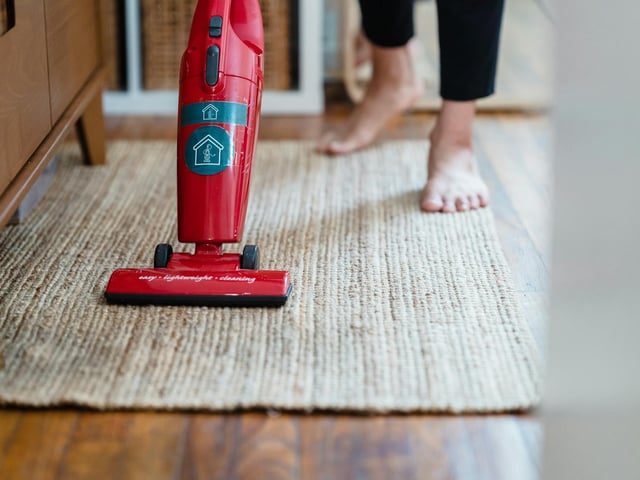
5 Quiet Vacuum Cleaners Under $100
Canister vacuums dominate the quiet cleaning space under $100, with stick and handheld models close behind. These five models regularly earn praise from users who need to vacuum without disturbing neighbors or family members.
1. Eureka Mighty Mite 3670G
If you want one vacuum that handles everything quietly, the Eureka Mighty Mite, a bagged canister vacuum, is the safe pick. This lightweight design keeps the 12-amp motor in a separate housing that trails behind you, so the noise stays at floor level while you work.
The Mighty Mite provides strong pickup on bare floors, which means it pulls up dust and debris without needing multiple passes. You can talk normally while using it, and thousands of Amazon reviewers keep praising how it won't wake sleeping kids. The retractable bristles work on both hardwood and low-pile carpet without switching attachments.
The honest limitation: you're tethered to an outlet with the corded design. But that also means consistent suction that doesn't fade like battery models do.
2. Shark UltraCyclone Pet Pro+ CH951
For quick cleanups that won't announce themselves to the building, the Shark UltraCyclone Pet Pro+, a cordless handheld vacuum, runs noticeably quieter than most handhelds. It provides strong bare floor pickup while running on battery power that naturally limits how loud the motor can get.
This handheld includes a self-cleaning turbo brush that works well on upholstery and car interiors. The cyclonic design spins dirt away from the filter, so suction stays strong throughout your cleaning session. Users consistently mention how quiet it runs compared to other handhelds in this range.
Fair warning: the turbo brush attachment is bulky and less effective for pet hair than the crevice tool. Stick with the basic attachments for the quietest operation.
3. BISSELL PowerForce Helix 2191
When you need an upright that won't sound like lawn equipment on thick carpets, the BISSELL PowerForce Helix, an upright vacuum, provides the deep cleaning without the excessive volume. The powered floorhead agitates carpet fibers more effectively than the canister models above.
This upright uses a multi-cyclonic system that maintains suction as the dirt cup fills up. The brush roll spins at the right speed to lift embedded dirt without creating unnecessary motor strain. Users regularly note how it handles shag and medium-pile carpets better than lighter stick models.
The downside: uprights put the motor directly above the cleaning head, so you'll hear more noise than with the Eureka canister. It's still apartment-appropriate, just not whisper-quiet.
4. BISSELL Zing Bagless Canister 2156A
If you want canister convenience without buying replacement bags, the BISSELL Zing Bagless Canister, a compact canister vacuum, offers good carpet performance in a design that won't take over your closet. The bagless system means you empty a dirt cup instead of replacing bags.
This canister runs noticeably quieter than most uprights because the motor housing sits separately from where you're working. The washable filters save money over time, and the compact size makes it easy to pull around furniture. Several users mention it's "not too loud" for apartment living.
The trade-off: bagless models require more frequent filter maintenance than bagged ones like the Eureka. You'll need to rinse the filters regularly to maintain that low sound output.
5. Smoture VAC01
For whole-house cleaning without the cord, the Smoture VAC01, a cordless stick vacuum, runs for 29 minutes on a single charge while staying reasonably quiet for apartment use. The 0.8L dustbin capacity means you can clean most apartments without stopping to empty it.
This stick vacuum excels on hardwood and low-pile carpets where its lightweight motor doesn't have to work hard. The large bin size beats most slim stick models, and TechGearLab notes how smoothly it turns around furniture. The battery limitation actually helps keep the sound down since the motor can't draw excessive power.
You should know: it struggles on thick carpets where the small motor can't provide enough agitation. Save this one for quick cleanups and pair it with a more powerful option for deep carpet cleaning.
Cordless vs Corded: Which Is Quieter Under $100?
Cordless models run quieter because their batteries naturally limit how much power the motor can draw. When you're using the Shark UltraCyclone Pet Pro+, a cordless handheld vacuum, the battery caps the motor at a level that keeps the sound noticeably lower than most corded models.
Battery-powered units sacrifice some deep-cleaning muscle for that subdued operation. The Smoture VAC01, a cordless stick vacuum, stays quiet enough that you can barely hear it over the TV, but it struggles on thick carpets where a corded model would power through. You're trading suction strength for the ability to vacuum without waking your neighbors.
Corded models provide consistent power but tend to be louder because they can pull unlimited electricity from the wall. The Eureka Mighty Mite uses a 12-amp motor that maintains strong suction throughout your cleaning session, but you'll hear more sound than with battery models. That extra power means you can clean faster and more thoroughly, especially on carpets.
The runtime trade-off matters for different cleaning styles. Cordless units give you 20-30 minutes of low-noise use before needing a recharge, perfect for quick daily cleanups. Corded models let you clean for hours without stopping, but you're tethered to outlets and dealing with more sound the entire time.
Most people find cordless works better for apartment living where noise matters more than deep-cleaning power. You can vacuum at any hour without worrying about thin walls, and the limited runtime actually encourages shorter, more frequent cleanups that keep your place tidy without marathon vacuuming sessions.
Noise Level Comparison by Vacuum Type
Canister vacuums run the quietest because the motor sits in a separate housing away from your ears. When you're pushing the cleaning head around, that noisy motor trails behind you in its own compartment instead of sitting right above where you're working.
The Eureka Mighty Mite demonstrates this advantage perfectly — you can talk normally while using it because the 12-amp motor stays at floor level. Other canister models like the BISSELL Zing 2156A follow the same pattern, keeping the sound around background conversation rather than small engine territory.
Upright vacuums tend to be louder because they put the motor directly above the cleaning head. You're standing over the noise source, and the motor housing uses thinner plastic with less sound dampening. The BISSELL PowerForce Helix 2191 shows this trade-off — it provides strong carpet agitation but sounds louder than canisters with similar power.
The motor placement means you can't escape the sound like you can with a canister. Even well-designed uprights will be more noticeable in apartments with thin walls.
Stick vacuums run quieter thanks to compact motors and lightweight design. The Smoture VAC01 barely makes more noise than your TV because its small motor doesn't need to work as hard. Battery-powered models especially run softer since the battery limits how much power the motor can draw.
You're trading some deep-cleaning muscle for that subdued operation. Most stick models struggle on thick carpets where a full-size motor would power through.
Handheld vacuums vary widely depending on brand and power design. The Shark UltraCyclone Pet Pro+ runs closer to microwave levels, while the Black+Decker 16V MAX dustbuster sounds noticeably louder and heavier during operation.
The difference comes down to motor efficiency and housing design. Shark manages to pack strong suction into a quieter package, while Black+Decker's older motor technology creates more sound for similar performance.
Apartment-Friendly Features to Look For
Lightweight design under 10 pounds makes the biggest difference when you're maneuvering around tight spaces and storing your vacuum in a cramped closet. The Eureka Mighty Mite 3670G, a canister vacuum, weighs just enough that you can easily carry it up stairs or pull it around furniture without straining your back. This canister trails behind you smoothly instead of requiring you to push and lift like heavier uprights.
Compact storage requirements matter more in apartments than most people realize. You need something that fits in a narrow closet or slides under a bed without taking over your limited space. The BISSELL Zing 2156A canister tucks into small spaces better than most uprights, and stick models like the Smoture VAC01 hang on wall hooks or stand in corners without dominating your room.
Variable speed settings let you control how loud your vacuum sounds during different cleaning tasks. When you're doing a quick pickup while someone's on a work call, you can run the motor at lower speeds that barely make more noise than background conversation. The Shark UltraCyclone Pet Pro+ handheld gives you this control — full power for deep cleaning, gentler speeds for maintenance cleaning that won't interrupt conversations.
Rubber wheels and soft bumpers prevent the wall dings and furniture scratches that renters can't afford. Hard plastic wheels leave black marks on baseboards and scratch hardwood floors. Quality models use rubber wheels that roll silently and bumpers that protect your furniture when you're navigating around tight corners. This matters when you're cleaning around expensive furniture that isn't yours.
Cord length considerations become critical in studio and one-bedroom layouts where outlets are scarce. A longer cord means you can clean most small apartments without unplugging and moving to different outlets. The BISSELL PowerForce Helix 2191 upright gives you enough reach for typical apartment layouts, while cordless options like the Smoture eliminate the outlet hunt entirely. You want enough range to clean your whole space without the cord becoming a limitation that makes you rush through the job.
How Floor Type Affects Vacuum Noise
Hardwood and tile cleaning produces less noise than carpet because your vacuum doesn't have to work as hard. On smooth surfaces, the motor runs at lower speeds since there's no carpet pile to penetrate, and you'll hear something closer to background conversation rather than the louder hum you get on rugs.
The Eureka Mighty Mite, a canister vacuum, shows this clearly — it barely whispers across hardwood floors but sounds noticeably louder when you switch to medium-pile carpet. The motor automatically adjusts its effort based on surface resistance, so smooth floors let it coast while textured surfaces make it work harder.
Low-pile carpets require moderate suction and create medium sound output as the motor finds its middle ground. Your vacuum needs enough power to lift debris from the carpet fibers without going full throttle. Most stick models like the Smoture VAC01 handle this range comfortably, staying quiet enough that you can barely hear them over normal household sounds.
Thick carpets demand higher power settings that increase how loud your vacuum sounds dramatically. When you hit plush or shag carpeting, even quiet models like the BISSELL PowerForce Helix 2191 upright ramp up their motors to penetrate the dense pile. The deeper the carpet, the harder your vacuum works, and the more sound you'll hear as it struggles to maintain suction through all that material.
Brush roll engagement adds mechanical noise on any surface type beyond just the motor sound. When those rotating bristles start spinning to agitate carpet fibers or sweep debris on hard floors, you get an extra layer of mechanical whirring and clicking. The Shark UltraCyclone Pet Pro+ handheld shows this clearly — its turbo brush attachment creates noticeably more sound than the basic suction-only tools, regardless of whether you're cleaning upholstery or bare floors.
The surface transition makes the biggest difference in real-world use. You might start vacuuming quietly on your kitchen tile, then hit the living room rug and suddenly sound like you're running a small engine. Planning your cleaning route to tackle hard surfaces during quiet hours and save the thick carpets for when sound won't bother anyone helps you stay apartment-appropriate throughout your cleaning routine.
Maintenance Tips to Keep Your Vacuum Quiet
Regular filter cleaning prevents motor strain and excess sound that builds up over months of use. When your filter gets clogged with dust and debris, the motor has to work harder to pull air through, creating that whining sound that announces your cleaning to the whole building.
The Eureka Mighty Mite, a canister vacuum, uses replaceable bags that act as the primary filter, but even bagged models have secondary filters that need attention. Rinse foam filters under warm water monthly and let them dry completely before reinstalling. For bagless models like the BISSELL Zing 2156A canister, you'll need to clean the main filter every few uses to maintain the whisper-quiet performance people praise.
Empty dustbins and replace bags before reaching capacity to keep your motor running smoothly. A full bag or bin restricts airflow, forcing the motor to strain and creating unnecessary sound. Replace bags when they're about two-thirds full rather than waiting until they're stuffed. The Shark UltraCyclone Pet Pro+, a handheld vacuum, shows this clearly — empty the dirt cup after each use and you'll notice how much quieter it runs on the next cleaning session.
Check for clogs in hoses and attachments that force the motor to work harder than necessary. Hair wrapped around brush rolls, debris stuck in crevice tools, or blockages in the main hose create back-pressure that makes your vacuum sound like it's struggling. Pull off attachments monthly and clear any buildup. The BISSELL PowerForce Helix 2191 upright is particularly prone to hair tangles around its brush roll that gradually increase how loud it sounds.
Lubricate moving parts and replace worn brush rolls to eliminate mechanical sound that develops over time. Squeaky wheels, stiff swivel joints, and worn brush bearings add grinding sounds that have nothing to do with the motor. A few drops of household oil on wheel axles and pivot points keeps everything rolling smoothly. Replace brush rolls when the bristles look flattened or the ends start fraying — worn brushes create more friction and sound as they scrape against surfaces.
Clean debris from wheels and swivel joints for smooth operation that won't wake your neighbors. Small stones, hair, and sticky residue build up in wheel wells and pivot mechanisms, causing jerky movement and clicking sounds as you pull your vacuum around furniture. The Smoture VAC01, a cordless stick vacuum, benefits especially from this maintenance since its lightweight design relies on smooth-rolling wheels for easy maneuvering.
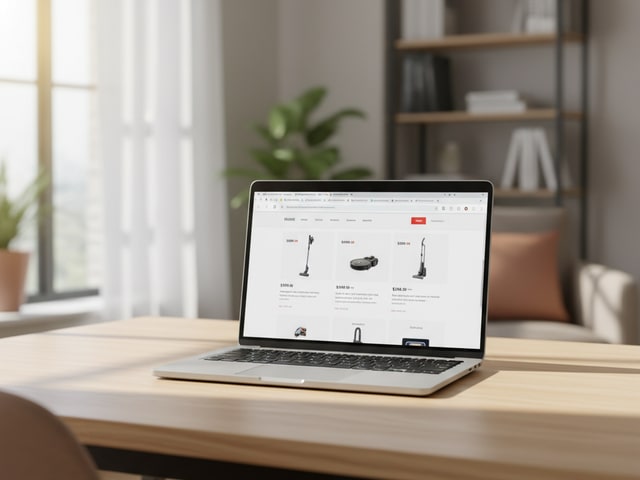
Where to Buy and Current Pricing
Amazon dominates the quiet vacuum market under $100 with the widest selection and frequent price drops on models like the Eureka Mighty Mite, a canister vacuum that regularly swings between different price points during seasonal sales. You'll find the best pricing here, especially during Prime Day and Black Friday when budget models can drop well below their usual retail prices.
The pricing fluctuations work in your favor if you're patient. The Shark UltraCyclone Pet Pro+, a cordless handheld vacuum, often sees temporary discounts that make it even more attractive compared to noisier alternatives. Amazon's algorithm-driven pricing means you might catch a quiet model at its lowest point if you check back over a few weeks.
Home Depot and Walmart stock the major brands like BISSELL and Shark, but their selection focuses more on popular uprights than the specialized quiet models people in apartments actually want. You'll find the BISSELL PowerForce Helix 2191 upright at both retailers, though Walmart typically runs slightly lower prices on BISSELL products. Home Depot's advantage is their generous return policy if a vacuum turns out louder than expected in your specific living situation.
Manufacturer direct sales offer the strongest warranty protection, especially for models like the Eureka Mighty Mite where the company stands behind their reputation for reliability. Buying directly from BISSELL or Shark means you get full manufacturer support, but you'll pay closer to retail price without the discounting that third-party retailers use to move inventory.
Refurbished options open up access to higher-end quiet models that would normally exceed the $100 threshold. Factory-refurbished units from reputable brands come with limited warranties and can provide premium quiet performance at budget prices, though availability varies and you'll need to act quickly when good units appear.
Frequently Asked Questions
Is the Eureka Mighty Mite actually quiet?
The Eureka Mighty Mite runs quieter than most uprights because its motor sits in a separate canister unit that stays on the floor while you clean. The distance between the motor and your ears naturally reduces the sound you hear. It's not whisper-silent, but you can easily talk over it while cleaning.
Are cordless vacuums always quieter than corded ones?
Cordless models like the Shark UltraCyclone typically run softer than corded handhelds because their batteries limit how much power the motor can draw. The Black+Decker corded handheld sounds noticeably louder because it can pull full wall power. Cordless stick vacuums split the difference — quieter than full uprights but not as hushed as small handhelds.
What's considered quiet for a vacuum under $100?
Background conversation levels are about as quiet as budget vacuums get — around 60-65 decibels. Anything louder than a blender (80+ dB) will definitely get your neighbors' attention. Most vacuums in this price range fall somewhere between your TV and a normal conversation.
Do quiet vacuums actually clean carpets well?
The BISSELL PowerForce Helix proves that carpet cleaning doesn't require excessive sound — its powered brush head agitates fibers effectively without the ear-splitting volume of cheaper models. Canister designs like the Mighty Mite work well on low-pile rugs because the motor doesn't have to work as hard when it's not fighting gravity.
Which vacuum type stays quietest overall?
Canister vacuums typically win the quiet contest because the motor stays on the ground while you maneuver just the lightweight wand and head. Stick vacuums come second since their motors are smaller. Traditional uprights tend to be loudest because you're pushing the full motor assembly around at ear level.
Why are some handheld vacuums so much noisier?
Corded handhelds like the Black+Decker dustbuster can pull unlimited power from the wall, so their motors run at full throttle constantly. Battery-powered models like the Shark UltraCyclone have built-in power limits that keep the motor from screaming. The trade-off is runtime, but the sound difference is dramatic.
Does the floor type change how loud my vacuum sounds?
Hard floors let you hear more of the actual motor sound because there's no carpet to muffle it, but the motor doesn't have to work as hard so it runs at lower RPMs. Thick carpets absorb some sound but force the motor to spin faster and work harder. The net effect usually balances out.
Do quiet vacuums break down faster?
Not necessarily — the Hoover SH20030 has earned praise for both quiet operation and reliability from thousands of users. Quieter often means the motor isn't being pushed to its absolute limits, which can actually extend its life. The key is buying from established brands that don't cut corners on build quality to hit low price points.