Best Lightweight Vacuums Under 8 Pounds: Easy Carry Options
Lightweight vacuums under 8 pounds like the Dyson V12 Detect Slim (5.2 pounds) and CleanMax ZM-200 Zoom (8 pounds) make cleaning effortless without sacrificing suction power. The Bissell Featherweight (5-6 pounds), Eureka WhirlWind (under 8 pounds), and Miele Compact C1 (7-8 pounds) round out the top options for easy carrying.
Lugging a heavy vacuum up stairs or between rooms shouldn't feel like a workout. The Dyson V12 Detect Slim at just over 5 pounds makes cleaning feel effortless — you can carry it one-handed while opening doors. The CleanMax ZM-200 Zoom hits exactly 8 pounds but gives you a 35-foot cord so you're not switching outlets all the time. For budget-conscious buyers, the Bissell Featherweight proves you don't need to spend $400 to get something portable. Professional testers rank these models highest for ease of carrying, and reviewers mention how much less tiring cleaning becomes.
Weight distribution matters more than total pounds — a 6-pound stick vacuum can feel heavier in your hand than an 8-pound upright with balanced design. Anything below 8 pounds works well when it doesn't sacrifice the suction power you need for pet hair and debris pickup.
If you're dealing with multiple floors, tight apartment spaces, or just want cleaning to feel less like a chore, the right lightweight vacuum transforms the experience. You'll know exactly which model fits your space, budget, and cleaning style.
Top 5 lightweight vacuums under 8 pounds
These five models rank highest for easy carrying without sacrificing the cleaning power you need.
Dyson V12 Detect Slim (5.2 pounds)
You get professional-grade suction in a package that weighs less than a gallon of milk. The V12 Detect Slim cordless stick vacuum transforms stair cleaning from a dreaded chore into something you can knock out in minutes. Independent testing ranks it among the top lightweight options, praising how effortless it feels to carry between rooms.
Laser dust detection technology shows you exactly where dirt hides on hard floors — no more guessing if you got everything. This model has solid battery life that covers most apartments without needing a recharge. Lab testers note how the weight distribution makes it feel even lighter than the specs suggest.
The main limitation is the premium price point. You're paying for Dyson's engineering and that incredibly light feel, but budget-conscious buyers have solid alternatives below.
CleanMax ZM-200 Zoom (8 pounds)
This corded upright vacuum hits the 8-pound limit while giving you unlimited runtime through its 35-foot cord. You can clean an entire floor without switching outlets, which is more important than you'd think when you're trying to finish quickly.
The ZM-200 Zoom works well for larger homes where cordless models would need multiple charging sessions. Customer reviews note how much easier it is to carry upstairs compared to heavier vacuums. The corded design means steady suction power that doesn't fade as you clean.
The trade-off is cord management — you'll need to unplug and move between distant rooms. For apartments or single-floor cleaning, this becomes less of an issue.
Bissell Featherweight (5-6 pounds)
Budget buyers get portability without the premium price tag. This stick vacuum proves you don't have to spend hundreds to get something truly easy to carry.
This model works well for quick cleanups and is perfect for studio apartments where storage space matters. You get lightweight design that makes it perfect for elderly users or anyone with mobility concerns. Multiple Amazon reviewers mention keeping it handy for daily touch-ups rather than dragging out a heavier vacuum.
Don't expect the same deep-cleaning power as premium models. It handles surface debris and light dirt well but struggles with embedded pet hair in thick carpets.
Eureka WhirlWind (under 8 pounds)
You get bagless convenience with easy-empty design at an affordable price point. This bagless stick vacuum combines lightweight portability with the simplicity of dumping dirt directly into the trash — no bags to buy or replace.
Forum discussions mention this model for its reliability despite the budget price. Easy-empty dustbin means you're not wrestling with bags when it's time to clean out debris. It handles regular maintenance cleaning in homes without heavy-duty carpet cleaning needs.
The plastic construction feels less premium than higher-end models. Some users report the dustbin filling quickly with pet hair, requiring frequent emptying during longer cleaning periods.
Miele Compact C1 (7-8 pounds)
Premium build quality meets lightweight design in this canister vacuum with superior HEPA filtration. The C1 canister vacuum has the durability Miele is known for while staying within the 8-pound limit. Professional testing highlights its build quality compared to plastic alternatives.
HEPA filtration system makes it ideal for allergy sufferers who need both portability and clean air output. The canister design distributes weight differently than stick models, making it feel balanced when you're carrying it upstairs. Professional reviews praise its longevity — this isn't a vacuum you'll replace in two years.
Higher price reflects the premium construction and German engineering. You'll pay more than budget options, but you're investing in a vacuum that should last much longer.
What makes a vacuum truly lightweight
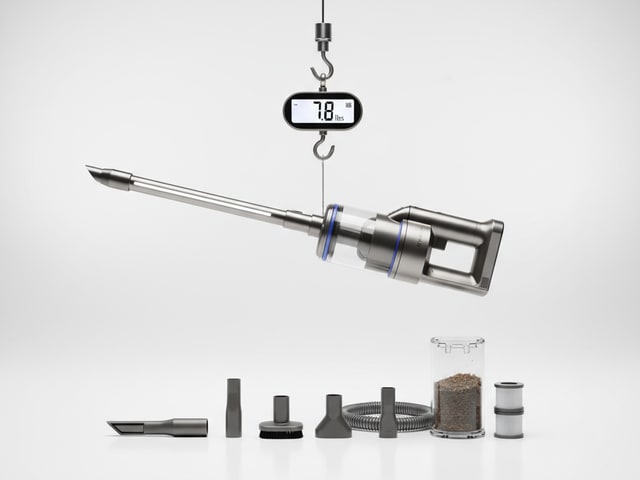
True lightweight design goes beyond the number on the scale — weight distribution affects how heavy a vacuum feels in your hands more than total pounds. A 6-pound stick vacuum can feel heavier than an 8-pound upright if all the weight sits in the handheld section you're gripping.
Manufacturers achieve lightweight construction through strategic material choices and engineering compromises. Plastic housings replace metal components, smaller motors provide concentrated power, and compact dustbins reduce overall bulk. The V12 Detect Slim demonstrates this approach — efficient motor design keeps it at 5.2 pounds without sacrificing suction performance.
Loaded weight versus empty weight creates a reality gap that catches buyers off guard. Advertised weights typically reflect the vacuum without attachments, dirt collection, or accessories. Your 7-pound vacuum becomes 9 pounds once you add the crevice tool, brush attachment, and a dustbin full of debris. Smart shoppers factor in this extra weight when comparing models.
The 8-pound benchmark became the industry standard for lightweight classification because it's the threshold where most people notice carrying effort. Professional testing shows that models below this weight feel much easier to maneuver on stairs and between rooms.
Weight distribution is more important than you'd think when choosing between vacuum types. Canister designs like the Compact C1 spread weight between the motor unit and cleaning head, making the 7-8 pound total feel more balanced. Stick models concentrate everything in one unit, which can strain your wrist during extended use despite lower overall weight.
Cordless vs corded: weight and performance trade-offs
Cordless models typically weigh less but sacrifice runtime for portability, while corded options provide unlimited power at the cost of managing cables during cleaning. The V12 Detect Slim at 5.2 pounds shows this trade-off — you get incredible portability but face 60-minute runtime limits that require planning for larger homes.
Battery weight creates an interesting paradox in cordless designs. Manufacturers must balance cell capacity against total weight, which explains why most cordless options below 8 pounds run for 30-60 minutes rather than the 90+ minutes you'd get from heavier models. You'll find yourself charging every other cleaning session if you're tackling a multi-story home.
Corded alternatives like the ZM-200 Zoom flip this equation entirely. At 8 pounds with a 35-foot cord, you get steady suction power that never fades mid-clean. The cord length is more important than you'd think — that extra reach means fewer outlet switches when moving between rooms.
Power output differs dramatically between the two approaches. Cordless models start strong but gradually lose suction as the battery drains, even when the indicator shows charge remaining. Corded designs maintain steady performance from start to finish, which becomes essential when you're dealing with embedded pet hair or thick carpet debris.
Charging frequency becomes a real consideration with lightweight cordless models. Most require 3-4 hours to fully charge, so forgetting to plug in after use means waiting until the next day to finish cleaning. Cordless stick vacuums work perfectly for studio apartments where you can complete everything in one 30-minute session, but larger spaces often need the unlimited runtime that only corded models provide.
Weight distribution affects how each type feels during use. Cordless designs concentrate all components in the handheld unit, which can strain your wrist during extended cleaning despite the lower total weight. Corded models distribute motor weight separately from the cleaning head, making them feel more balanced even when they're technically heavier on the scale.
Do lightweight vacuums sacrifice suction power?
Modern lightweight models provide strong suction power thanks to motor efficiency improvements that pack more cleaning force into smaller packages. You don't have to choose between easy carrying and effective cleaning anymore — the engineering has caught up to what buyers want.
Motor efficiency advances explain how manufacturers achieve this balance. The V12 Detect Slim generates impressive suction at just 5.2 pounds by using a high-speed digital motor. This creates concentrated airflow that rivals much heavier models. Traditional vacuum motors relied on size and weight for power, but newer designs optimize airflow patterns and motor speed instead.
Performance differences between lightweight and full-size models show up most on thick carpets and embedded debris. Lightweight options work well on hard floors and low-pile rugs where their concentrated suction works perfectly. You'll notice the gap when tackling deep-pile carpets or ground-in dirt that requires sustained, heavy-duty suction. Most buyers find this trade-off acceptable since daily cleaning rarely involves the toughest scenarios.
Airflow design and brush systems compensate for smaller motors through strategic engineering choices. Manufacturers use cyclonic separation to maintain steady suction as the dustbin fills, while specialized brush rolls agitate debris more effectively. The ZM-200 maintains steady performance during extended use because its 8-pound design still accommodates a full-size motor with optimized airflow paths.
Real-world cleaning performance for pet hair removal varies by surface type and hair length. Short pet hair gets picked up easily by most lightweight models, while long hair tends to wrap around brush rolls regardless of vacuum weight. You'll get better results from models with anti-tangle brush designs than from simply choosing a heavier vacuum. Professional testing shows that suction power is less important than brush agitation for pet hair removal.
Cleaning performance expectations should match your needs rather than theoretical maximums. If you're handling daily dust, crumbs, and light debris on mixed surfaces, lightweight models handle these tasks without compromise. Save the heavy-duty options for homes with multiple pets, thick carpets throughout, or commercial cleaning requirements where maximum power trumps portability.
Key features to look for in lightweight vacuums
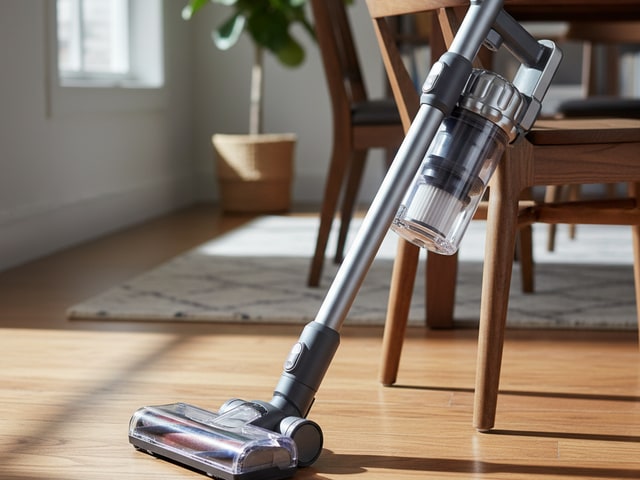
You want a vacuum that pivots smoothly around furniture and follows your natural cleaning motions without resistance.
These steering mechanisms make the biggest difference when you're navigating tight spaces or cleaning under low furniture. The V12 includes a flexible wrist joint that lets you twist the cleaning head without repositioning your entire body. This is more helpful than you'd realize when you're cleaning around dining room chairs or weaving between coffee table legs. Look for models that advertise 180-degree or full-rotation steering — anything less feels stiff and awkward during use.
Easy-empty dustbin designs eliminate the messiest part of vacuum maintenance and keep your hands clean during disposal. You'll appreciate this feature most when you're handling pet hair or fine dust that tends to cling inside traditional bins.
One-touch release mechanisms work better than twist-off designs because you can empty the bin directly into your trash without touching the contents. The WhirlWind has a bottom-release door that drops debris straight down, while some models require you to pull out an inner container. Bottom-release systems create less dust cloud during emptying, which helps if you have allergies or just prefer cleaner disposal.
HEPA filtration options in sub-8-pound models provide allergy relief without the bulk of traditional filtered vacuums. You don't have to choose between portability and clean air output anymore.
True HEPA filters capture 99.97% of particles down to 0.3 microns, which includes most allergens, dust mites, and pet dander. The Compact C1 includes genuine HEPA filtration while staying within the 7-8 pound range. Some lightweight models use "HEPA-type" or "HEPA-style" filters that perform similarly but don't meet the strict certification standards. Check the specifications carefully if medical-grade filtration matters for your household.
Attachment storage and versatility add cleaning flexibility without noticeably increasing weight when designed thoughtfully. You want tools that add to the vacuum's capabilities while maintaining the lightweight advantage.
Onboard tool storage keeps crevice tools and brush attachments within reach without adding bulk to the main unit. The ZM-200 includes clips for essential tools that don't interfere with the 8-pound weight limit. Avoid models that require separate carrying cases for attachments — you'll end up leaving the tools behind when you need quick portability. The best designs integrate tool storage into the vacuum body or provide a compact caddy that clips onto the main unit.
Motorized brush attachments for upholstery and stairs extend your vacuum's reach without requiring a separate handheld unit. These powered tools maintain strong agitation for pet hair removal while adding minimal weight to the overall package. Look for attachments that draw power directly from the main unit rather than requiring separate batteries.
Best use cases for ultra-light vacuums
Ultra-light vacuums work best in four specific scenarios where portability is more important than maximum cleaning power: stair cleaning, apartment living, accessibility needs, and car detailing.
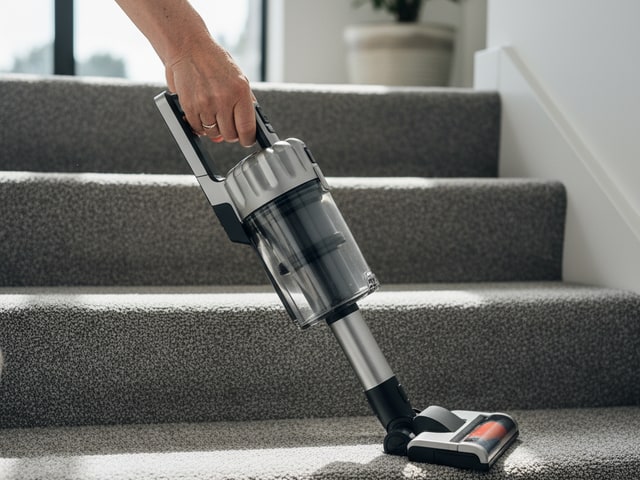
Stair cleaning becomes dramatically safer and less tiring with lightweight models. You can carry the V12 up a full flight without strain, keeping one hand free for the railing. Professional safety experts recommend models below 8 pounds for stairs because heavier models increase fall risk when you're balancing cleaning equipment while navigating steps.
The cordless advantage shines brightest on stairs since you're not wrestling with cord management while moving between levels. Traditional 15-pound uprights require awkward positioning and create safety hazards when the cord gets tangled around your feet. Lightweight options let you focus on stable footing rather than equipment logistics.
Apartment and small space optimization makes lightweight models essential for urban living. The Featherweight stores in closets barely wider than a broom, while still handling daily debris pickup across studio apartments. Compact storage solutions become critical when every square foot counts.
Maneuverability around tight furniture arrangements favors lighter models that pivot easily without requiring two-handed operation. You can navigate between closely-spaced furniture and clean under low coffee tables without the bulk of traditional uprights. Quick cleanup sessions work better with grab-and-go portability rather than dragging out heavy equipment for small messes.
Senior-friendly features and accessibility benefits make sub-8-pound designs truly life-changing for older users or those with mobility limitations. The ZM-200 at 8 pounds eliminates the shoulder strain that makes cleaning painful for arthritis sufferers. Reduced lifting effort means maintaining independence longer without relying on others for basic household tasks.
Easy-empty dustbins and simple controls become more important than maximum suction power for users with limited dexterity. Lightweight construction paired with intuitive operation creates cleaning tools that don't fight back during use. The weight reduction alone can mean the difference between manageable cleaning routines and avoiding the task entirely.
Car and upholstery cleaning with portable lightweight options transforms detail work from a major project into quick maintenance. You can easily carry the WhirlWind to your driveway without extension cords or outlet hunting. Interior detailing requires reaching into tight spaces where maneuverability trumps raw power.
Furniture upholstery benefits from gentle suction that won't damage delicate fabrics while still removing debris. Lightweight models with appropriate attachments handle these precision tasks better than heavy-duty options designed for deep carpet cleaning. The portability lets you tackle car interiors, couch cushions, and curtains as part of regular maintenance rather than special cleaning events.
Budget considerations and value picks
Quality lightweight models range from $50 budget options to $500 premium models, with the best value for most buyers falling between $100-250 where you get portability without major compromises.
Budget-friendly options below $100 prove you don't have to pay premium pricing for basic lightweight functionality. The WhirlWind provides portability at around $60-80, while the Featherweight typically costs under $100. These models handle daily debris pickup and quick cleanups effectively, though you'll notice plastic construction that feels less substantial than premium alternatives. Neighbor-friendly options under $100 often overlap with lightweight designs since smaller motors tend to run quieter.
Mid-range models between $150-300 have the best balance of weight, performance, and build quality for most households. You get more durable construction materials, better filtration systems, and improved motor efficiency without jumping to premium pricing. This range includes reliable options that should last 3-5 years with regular use rather than the 1-2 year lifespan common with ultra-budget models.
Premium lightweight models above $400 justify their cost through advanced engineering and superior materials, but the weight advantage diminishes as prices climb. You're paying for features like laser dust detection, advanced filtration, and brand reputation rather than just portability. The performance gap between a $250 mid-range model and a $500 premium option is less significant for basic cleaning tasks than the price difference suggests.
Durability concerns with ultra-lightweight construction center around plastic components that reduce weight but may crack under stress. Lightweight models use more plastic housings and smaller internal components compared to traditional models, which can affect longevity. Expect 2-4 years of regular use from budget models versus 5-8 years from premium options with better materials and engineering.
Warranty coverage varies dramatically across lightweight vacuum brands, from 1-year basic coverage on budget models to 5-year full warranties on premium options. Dyson has 2-year warranties on most models, while budget brands often provide minimal coverage that excludes normal wear items like filters and brush rolls. Customer support quality correlates strongly with price point — premium brands typically have phone support and replacement parts availability, while budget options may only provide email support.
Long-term value assessment should factor in replacement parts availability and maintenance costs beyond the initial purchase price. Filter replacements for HEPA-equipped models cost $20-40 annually, while brush roll replacements run $15-30 every 1-2 years depending on usage. Budget models often have limited parts availability after 2-3 years, potentially forcing complete replacement when a $20 part fails. Premium models maintain parts support longer but charge much more for replacement components.
Frequently asked questions
Do lightweight vacuums under 8 pounds lose suction power?
The V12 proves that weight and suction aren't directly related — it weighs around 5 pounds but provides strong performance on both bare floors and low-pile carpet according to independent testing. The key is motor efficiency and design, not mass. Budget models might sacrifice some power for weight savings, but premium lightweight options match heavier models in cleaning ability.
Which lightweight vacuums are best for hardwood floors?
Cordless stick models like the V12 work well on hardwood because they're designed for debris pickup without carpet resistance. The lightweight design makes them easy to maneuver around furniture and under low clearances. Corded options like the ZM-200 work well too, though the 35-foot cord can be cumbersome in open floor plans.
Are cordless stick vacuums good for easy carrying on stairs?
Yes, cordless sticks are ideal for stairs because there's no cord to manage and most weigh around 6 pounds. The V12's 5+ pound weight makes it easy to carry up and down while cleaning each step. Just remember that battery life limits how many flights you can clean in one session.
What lightweight vacuums have the longest battery life?
Battery life varies among lightweight cordless models, but most quality options run 30-60 minutes on standard settings. The trade-off is that longer battery life often means slightly more weight. If runtime is more important than portability, consider corded lightweight options that have unlimited cleaning time.
Are there lightweight canister vacuums under 8 pounds?
Yes, the Compact C1 weighs around 7-8 pounds and has canister advantages like better stability and larger dust capacity. Canister designs distribute weight differently than uprights, so they feel lighter when pulling behind you. They're good for stairs since you only carry the lightweight wand and hose.
Which 8-pound vacuums have swivel heads for easy maneuvering?
Most modern lightweight stick models include swivel heads as standard, including budget options from Eureka and Bissell. The swivel mechanism adds minimal weight but dramatically improves furniture navigation. Even the ZM-200 at 8 pounds includes this feature for easier corner cleaning.
What lightweight vacuums have HEPA filters for allergies?
Many lightweight models now include HEPA filtration, particularly in the cordless stick category. The HEPA filter adds minimal weight but captures 99.97% of particles down to 0.3 microns. Budget brands have improved their filtration, making HEPA available even in sub-$200 lightweight options.
Is the Dyson V12 Detect Slim worth it at just over 5 pounds?
The V12 justifies its premium price with weight-to-performance ratio and advanced features like laser dust detection. At 5+ pounds, it's among the lightest full-featured models available. But budget-conscious buyers can find adequate lightweight performance for much less if they don't need Dyson's premium features.